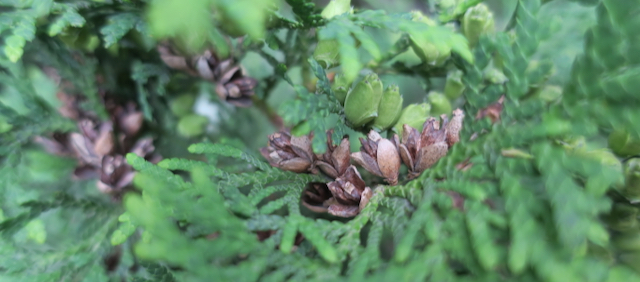
Erin Brockovich and Environmental Justice

One film that I considered nominating for the film festival is the biographical, environmental movie “Erin Brockovich”. I really enjoyed this film when I watched it a few years ago because it deals with a lot of issues such as self-esteem, family, personal growth and of course, environmental justice. It begins with the titular character getting injured in a car accident. She hires a lawyer to represent her, and subsequently loses the case because of her behavior and her past relationships (i.e. being divorced twice). In desperate need for a job, she begs her lawyer for work and is reluctantly hired at his law firm. Throughout the movie, Erin Brockovich is dismissed and not taken seriously because of her appearance and lack of education, but she surprises everyone with her keen eye and attention to detail. Because of her skills, Erin is able to spot a discrepancy in one of the files and uncovers a huge plot: the gas and electric company in a small town has been dumping dangerous chemicals in the drinking water. As a result, most of the residents have developed medical issues such as fertility problems and tumors. With hard-work and determination, Erin is able to rally the town together in a class action lawsuit and they successfully win the case. The settlement they received was the largest awarded in United States history. Erin Brockovich went on to work in the legal field and has become an environmental activist.

Water contaminated by chemicals

I think this film relates to this course because it deals with environmental elements and issues. The gas and electric company had been routinely poisoning the residents of the town by putting chromium in the water. This is called environmental pollution, and it is a serious problem around the world. Major corporations are the biggest contributors to greenhouse gas emissions, and this needs to stop. Erin Brockovich brings attention to this issue and the effects it leaves on a human level (i.e. cancer). The film also showed how companies don’t care about people and the environment and will continue to cause harm until they get apprehended. This film was an eyeopener for me, because I know understand how callous and cruel people become in the face of money, and how little they care about our environment. The pollution and chemicals they are pumping into our atmosphere have a direct effect on plants and their growth. If we continue to let these companies slip by with their complete disregard for the pollution they cause, it could lead to the extinction of many species.

Racer to the Rescue

Our class was also able to attend very informative seminars that focused on the importance of open access, and how to form research questions. These seminars were led by Ilo Maimets from the Steacie library. Ms. Maimets helped us create Racer and Mendeley accounts that would aide us with our future research papers. During my years at York University, I have written many papers that required outside sources. This is where my gratitude for open access comes in, because without it, I would not have been able to get these papers done! Ms. Maimets showed us how to use Mendeley, and how we can use it to help us organize our citations, and how to see similar articles. Also, if there was a journal we could not access freely, we can simply request it on the Racer site using our student numbers, and the university would obtain it for us – free of charge! I found this tip to be especially helpful, because I have had situations where I was not able to read a journal because of paywall restrictions and had to settle for something else. Now that I am aware of these resources, I am sure my future papers will be even better than before.

Unlocked Access

I believe these lessons improved my researching skills since we learned how to use other scholarly websites and how to properly access them within the York paywall. I feel this knowledge will help me in other courses, especially courses where I will need to write research papers or create posters that require outside sources. One of the things Dr. Bazely always repeated was to immediately look up anything you did not know on your phone/laptop. Since we live in a digital world, technology makes learning easier. I found this advice to be very helpful, because after Googling and understanding what was said in a discussion, I was able add my own perspective and further the conversation.

Elton and Ecology

Charles Elton was an important figure in the history of ecology. He was an English zoologist and animal ecologist best known for being the founder of Journal of Animal Ecology. In his book Animal Ecology, he talks about how ecosystems are ordered and organized.

Elton is also credited for introducing the terms “food chain”, “food cycle” as well as the idea of tropic levels and the food pyramid. This was important because it was the basis of the ecosystem concept. Elton also wrote theories about how different parts of the ecosystem connect and make a food web, as well as how predators influence and control the prey and make the cycle generate. He was the first person to talk about the ecological significance of cycling populations.

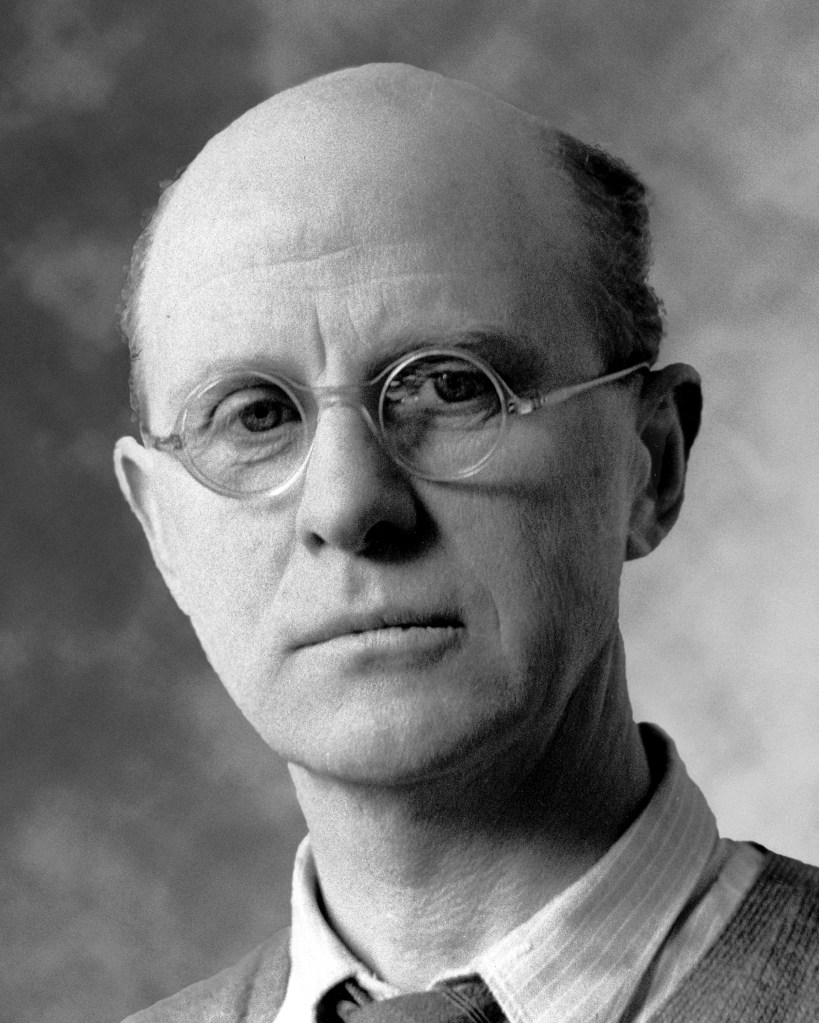
Charles Elton

Charles Elton’s book The ecology of invasions by animals and plants (1933) launched the study of biological invasions, being the first of its kind. In this book, Elton talks about the effects that invasive species can have on local ecosystems. This was one of the most important books in ecological history because it was the first to warn about non-native species and the catastrophes it can create. 

Another key paper Elton wrote was with his student Richard Miller called: The ecological survey of Animal Communities: with a practical system of classifying habitats by structural characteristics (1954). In this paper, Elton shifts his attention from population to the community level. He talks about the interspecific interactions that rule the population size. Also, he states that studying population dynamics forces one to study the species coexisting with the target population—in short, the community. This paper also talks about the highly dynamic nature of animal populations and communities.

Hope for Agriculture

Agriculture is the production, cultivation and distribution of food sources. It plays an important role in the economy, as the agriculture sector provides many people with nourishment and employment. However, agriculture is also one of the leading causes of the loss of biodiversity. Bad farming practices such as excessive herbicide and pesticide use, floor irrigation and harmful methods like “slash and burn” limits the amount of crop that could be yielded, as well as ruining the soil for future use. People depend of agriculture for its food security, so continuing to practice these destructive farming methods would result in a loss of food production.  

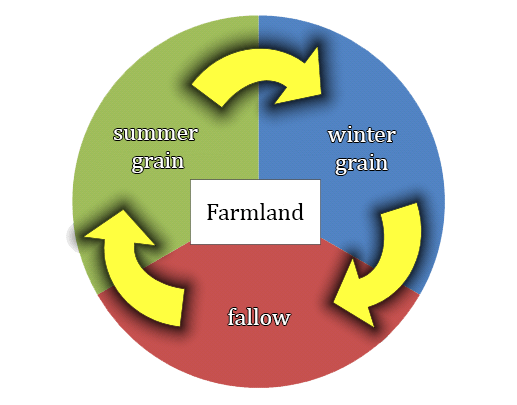
A 3-field crop rotation system

Luckily, all is not lost. Sustainable agriculture can be the key to solving this issue. We can increase food security by advocating for good farming practices, like crop rotation, schedule irrigation and applying crop covers. Planting crops can have negative effects on the soil after its picked. This is why its important to practice crop rotation. With crop rotation, farmers change the types of plants they grow on their fields every couple years in order to maintain soil fertility. Planting vegetables like peas every once in awhile act as a natural fertilizer and will leave the soil with lots of nitrogen after its planted. Irrigation scheduling is another good agriculture practice. This method will ensure a large amount of crop yield by preventing fields from being overwatered and wasting money and resources. Finally, crop covers are an important part of sustainable agriculture and it provides many benefits, such as reducing soil erosion and maintain nutrients. All in all, bad agriculture methods can have a huge impact on food security, but we can minimize the damage that has been caused by implementing and applying sustainable agriculture practices.  

Climate Change and Plant Migration

A steady climate is important in maintaining success for life and environments on Earth over time. As the Earth gets warmer, species become displaced because of floods, volatile weather or simply moving away in search of better environments. Climate suddenly changing can mean bad results to organisms used to living a certain way. As temperatures warm, plants that are not used to this climate shift to places that are more favourable. When plant species migrate to new locations, competition and crowding will occur, which would eventually lead to extinction. 

Climate change is one of the main factors of plant migration. In the paper I chose, the researchers used modelling to predict how plant communities respond to different factors (i.e. temperature change) after a specific time. This is especially helpful when the challenge is on a large-scale and proves difficult to do experimentally. Modelling creates future scenarios which scientists can use to figure out how to fix these environmental problems. This tool lets you take a complicated system like plant migration and simplify it to better understand its issues and how to fix it.

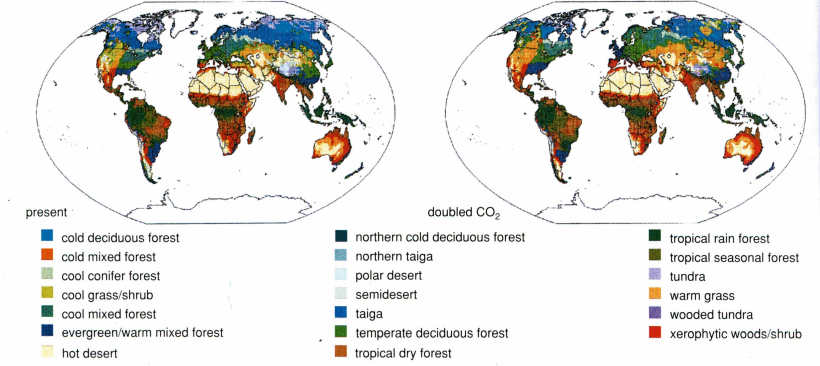
In the model the researchers created, they discovered a difference in vegetation location after carbon dioxide is doubled. In the doubled CO2 model, biomes like the taiga and the northern taiga have seemed to decrease around Russia. Also, areas in Australia and western Canada show an increase of warm grass biomes. This loss and gain of plants are due to the amount of carbon dioxide in the environment, which has negative effects on plant life.

I settled on this paper because I wanted to learn more about plant migration. Plants that migrate because of changing temperatures due to external factors like climate change can cause long-lasting damage to their original ecosystem and to themselves by moving. Plants provide support and resources to other organisms, and in turn, they should be protected from human and natural destructions. Climate change can be reduced, and greenhouse gases repressed with a mass reduction of emissions and useless energy. This way, plants will not have to migrate to other places when environmental conditions get too extreme.

Reference

Pitelka LF. 1997. Plant Migration Workshop Group. Plant migration and climate change. Am Sci 85:464–73

A guide to distinguishing between Primary, Secondary, and Tertiary literature.

We live in a time were information can be accessed with ease, and with a swiftness that doesn’t always guarantee validity. This points to the importance of being able to judge and analytically assess the contents of your search results off the net. When looking for articles or journals off the net, it is important to note whether the content you’re reading is – primary, secondary, or tertiary peer-reviewed literature. The following criteria and examples, of each piece of literature, should help you in case you find yourself having a hard time distinguishing.

  • What is a Primary source of literature? Primary sources of literature are sources of original work and data. In the sciences, primary sources of literature are peer-reviewed articles, based on original data, published in journals that are written by experts in the field. And subsequently reviewed by other experts, before collectively agreeing on the literature being presented. For example – https://rdcu.be/b105d is a peer-reviewed article from the journal Plant Ecology. The authors published are doing original work in a novel approach towards tree restoration.

Arthur F. Link, Linda M. K. Johnson and Ryan M. Utz, To manage or not? Successful native tree seedling restoration despite a dense, invasive shrub, Berberis thunbergii, Plant Ecology, 10.1007/s11258-019-00937-w, (2019).

  • What is a Secondary source of literature? Secondary sources of literature are summaries/based on primary sources. For example – books or articles that summarize, interpret, and analyze research done by others is a secondary literature source. A good example is – https://doi-org.ezproxy.library.yorku.ca/10.1111/1365-2664.13195

Schuster, M. J. et al. (2018) Using revegetation to suppress invasive plants in grasslands and forests. Journal of Applied Ecology 55 (5) p.2362–2373.

This is a secondary review of primary literature pieces that evaluate the validity of revegetation in woodland forests, and is published in the Journal of Applied Ecology. This should give a good illustration on the main differences between primary and secondary sources.

  • What is a Tertiary source of literature? Tertiary sources of literature summarize literature from various secondary sources, into easy-to-understand language. Textbooks are a great example of tertiary sources that most of us are familiar with. For example – Raven, Peter H., Ray Franklin Evert, and Susan E. Eichhorn. Biology of Plants. New York: W.H. Freeman and Co, 2005. This is a textbook which is a tertiary source of literature, were it summarizes other secondary sources on a variety of plant biology topics.

A Mass Extinction Might be Closer than we Imagined

After watching the documentary titled ” Call of Life: Facing the Mass Extinction” I discovered how much humans are impacting the loss of biodiversity in certain plant and animal species. The documentary mentions that half of Earth’s population and diversity of plants and animals are rapidly declining. Species are becoming extinct as the rate of evolution exceeds the rate of evolution of some species. Scientists have termed it the biggest crisis as many populations have been reduced. For example, 90% of the big ocean fish population has gone down since 1950 and 50% of freshwater fish have gone down since 1987

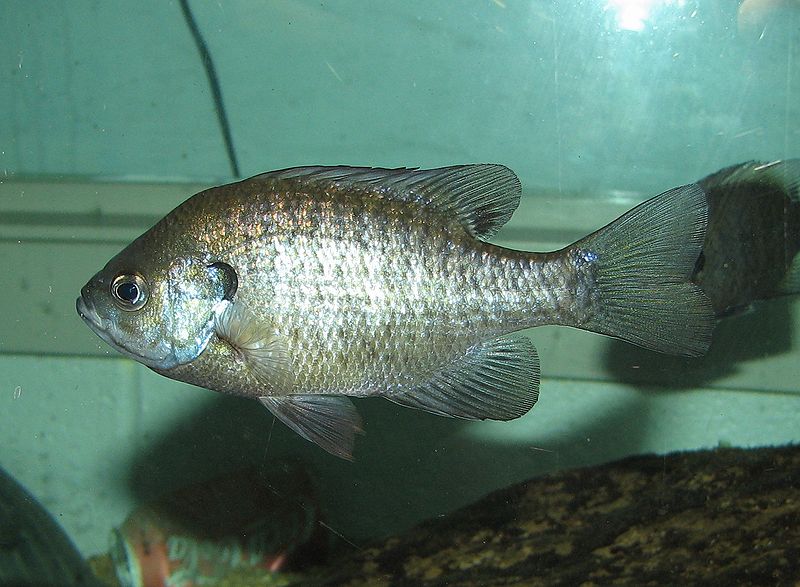
BlueGill Freshwater fish

We as humans cannot live without other creatures, therefore biodiversity is important to the survival of humans. Extinction has effects on humans as biochemical genes from plants are used for agriculture and pharmaceutical systems. About 120 drugs and medicine are derived from plants.

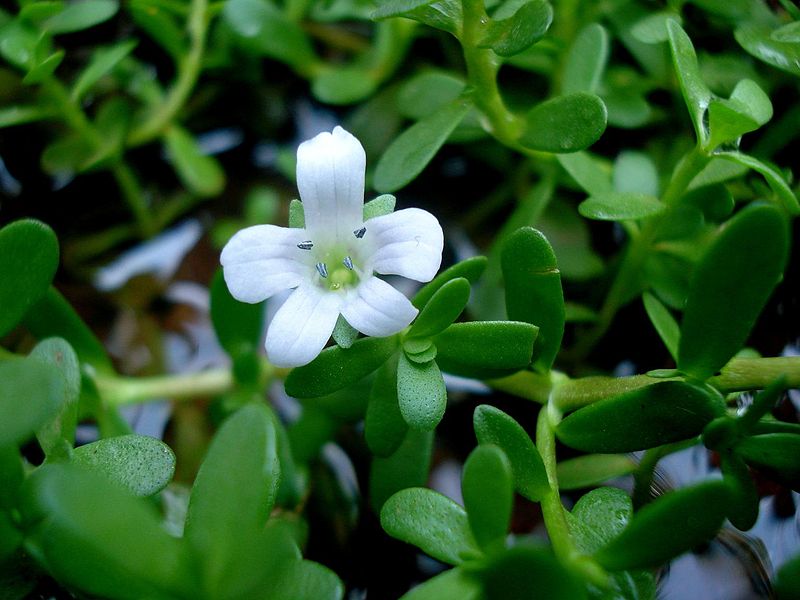
Bacopa monnieri: Medicinal plant used for improving memory, reducing anxiety, and treating epilepsy

We can see that we all need each other on this earth but humans are more concerned on economic systems rather than what is more important which is Earth. And once species are gone it is irreversible, therefore we need to care for what we have left so as not to lose it.

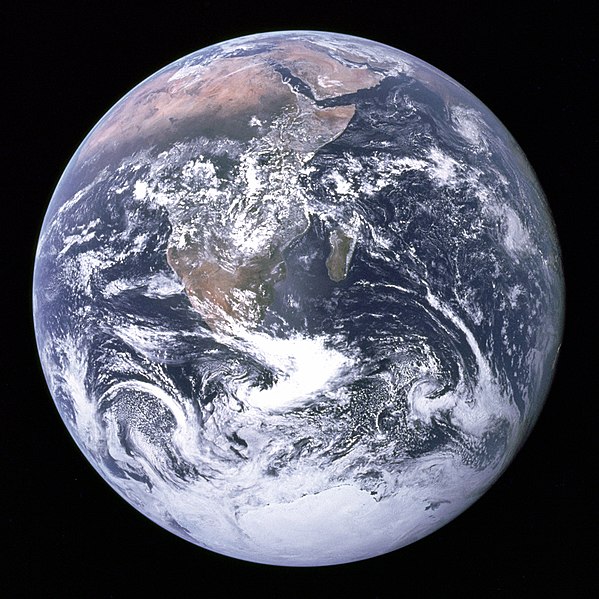
The Earth

Some ways to save planet Earth and reduce the rate of extinction include;

  • Avoiding the destruction of the habitats of other species to build our infrastructure
  • Recycling products
  • Reducing water consumption
  • Educating ourselves on endangered species
  • Reducing the use of plastics

To learn more about the mass extinction you can the documentary through this link https://www.cultureunplugged.com/documentary/watch-online/festival/play/7350/call-of-life–facing-the-mass-extinction

Advice for Science Students!

I recently listened to Episode 174 from the podcast “People Behind the Science”, hosted by Dr. Marie McNeely. This is a great episode where Dr. Dawn Bazely, an ecologist and professor at York University, is interviewed about her field of research in plant-animal interactions. Towards the end (57:10), Dr. Bazely provides a piece of advice towards everybody in science: that they learn how to work with other people effectively because collaborating is very common in science and research. Learning how to trust colleagues and work together despite differences in personalities and opinions are crucial skills that she says many people aren’t born with, but rather must work at and develop. She suggests the resource, Collaboration and Team Science: A Field Guide by Michelle Bennett, Howard Gadlin, and Samantha Levine-Finley from the National Institutes of Health, to help develop these skills.

I think the advice Dr. Bazely gave to people in science is excellent. I agree that learning to collaborate and work as a team through trust and communication is very important, but not just in the field of science. These skills are applicable to many facets of life. For example, some aspect of teamwork or needing to communicate with colleagues is vital in team sports, throughout school for group projects, and in almost every type of career nowadays. These skills are also vital in keeping healthy relationships with friends, family or a partner.

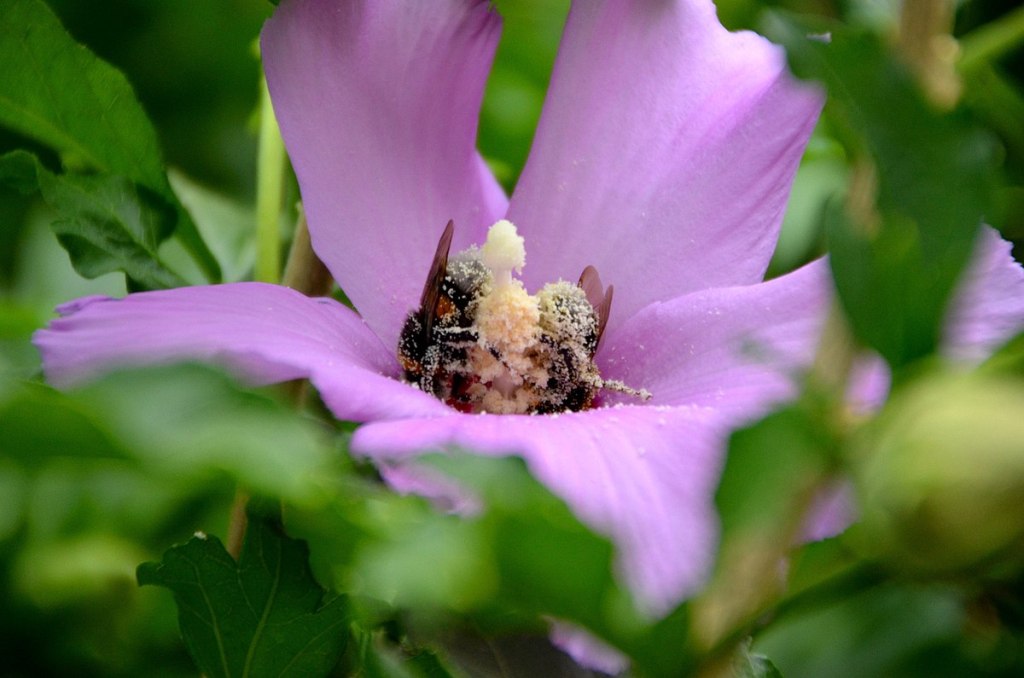
Bumblebees “working together” to collect pollen. (Chloris / CC BY (https://creativecommons.org/licenses/by/3.0))

My advice:

One piece of advice I would like to share (which is relevant to #BIOL4095!) involves finding peer-reviewed journal articles for research papers. This is something many people I know, including myself, struggled with initially in university, and is something that I really only learned how to do effectively last year while I was writing two final papers that required 30 and 40 peer-reviewed articles respectively.

To begin my research, I access an online journal database such as Web of Science, Scopus, etc. (read about how to access these databases here) and then search for articles relating to the topic of my paper. I then read the abstracts of some articles and download the ones I think might be useful for my paper. I typically stop at between five and ten articles and then read each of them fully, making notes on the information I might use in my paper. As I do this, I make sure to reference the original source of each piece of information I use, since these articles typically reference other pieces of literature. This provides me with many more sources, some of which I may choose to investigate further if I need more information. This process quickly helps me reach the amount of resources I need and then some!

For example, let’s say you originally select five articles to read fully. If you use original information from each of those articles you will have five sources. Then, for each article, if you use information from five sentences that do not originate from that article, but come from five different referenced articles, you will have 25 more sources, bringing the total to 30!

Getting behind paywalls (legally)!

Accessing peer-reviewed journal articles

For students, it is very important to be able to access peer-reviewed journal articles in order to write papers. You may be able to get free access to some articles using Google Scholar, but many others will be often stuck behind paywalls. Thankfully, educational institutions have agreements with many different journal databases that give you access to them for free! To access those at York University, first visit the library website. Then click on ‘Research Guides’ under the omni search bar. Next, select the subject area of the information (e.g. Science & Mathematics) you are looking to gather and then the sub-section of the subject area (e.g. Biology or Ecology). This will direct you to a page where you can click on journal articles, which will lead to a list of journal databases such as Web of Science, Biological Abstracts, or Scopus. Once you click on a database, all you need to do is sign in using York username and password and

Accessing reliable news

In addition to accessing peer-reviewed journal articles, it is important to be able to access current, reliable news! One of the best locations for reliable news is PressReader, a company with a subscription service that provides access to over 5000 premium newspapers (e.g. Toronto Star, The Guardian and The New York Times) and magazines from over 120 countries in the world, all in one place.

Thankfully, it is possible to get free, legal access to the paid content of PressReader with only a library card! There are two ways to access PressReader using your library card. The first involves visiting https://www.pressreader.com/, clicking sign in in the top right, and then clicking on the “Library or Group” option. From there you can search for your local library and then sign in using your library card number and pin. Secondly, if your library is not listed under this option, you should be able to access PressReader through your library’s own website. For example, you can sign into PressReader using your library card number and pin on the Toronto Public Library’s site. If you don’t have a library card, don’t worry – it is usually free and easy to obtain from your local library! For example, as long as you live, work or go to school in the Toronto region you can get a free library card from any library branch in the City of Toronto.

The story behind how the Aloe vera became my favourite plant

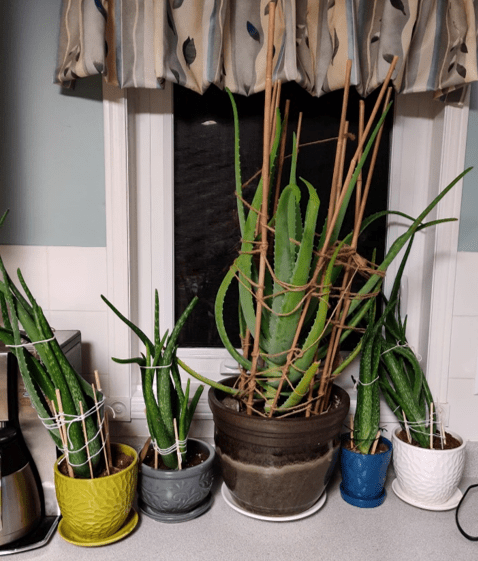
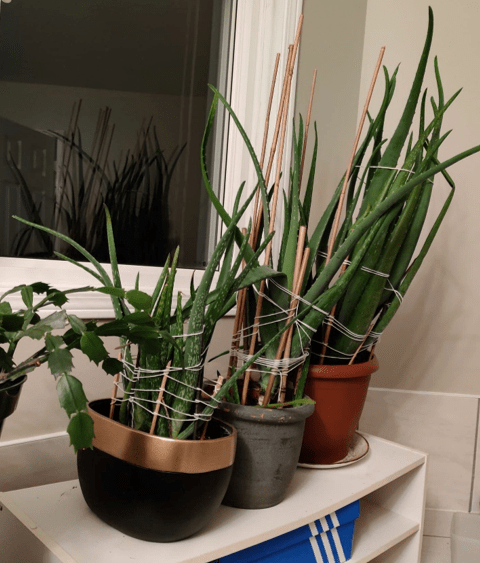
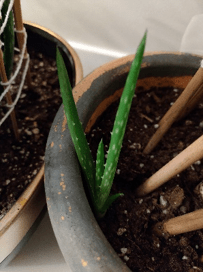
I must admit that when I was growing up, I was more of an animal person than a plant person (sorry Prof. Bazely!) and yet here I am today, the proud owner of the all the Aloe vera plants in the pictures! You may be thinking, why or how did I come to own all these Aloe’s then? Well, there’s an interesting and unique story behind it; one that ultimately resulted in the Aloe vera becoming my favourite plant species and also led me loving plants equally as much as animals!

This story begins in my final year of high school when my biology teacher assigned the class presentations that were to be based on one of the topics from a given list. As I was going through the list, one of the topics stood out – the Aloe vera plant. At the time, I had recently tried a juice that had chunks of Aloe vera jelly in it (I know, sounds gross, but I highly recommend you try it at least once), but the main reason it stood out is that I knew my mom had an Aloe plant at home that I figured I could use as a prop to help get a better grade. Luckily, no one else wanted to present on the Aloe so I was able to get my choice!

When I got home that night, I asked my mom where the Aloe plant we had was. She told me where and when I went to get it, I discovered that it was dead because the room it was in received no sunlight! After I politely reminded her that plants required light to survive, I went out and bought a new small Aloe plant. A couple of weeks later I presented, and with the help of that little plant, I did well!

Two or three years later, that same Aloe had grown to be just over three feet tall and had also produced tons of really tiny baby Aloe pups that have since grown into all of the Aloe’s in the pictures! Unfortunately, my house began to run out of space for all the Aloe’s I had, so I had to sell the original Aloe. The person who ended up buying it was an older Polish gentleman who told me he drove all the way from the Muskoka region to get it. He said that he planned on flying it out to his aunt all the way in Poland using his private plane – she had apparently been seeing a naturopathic doctor who told her to that she should get a mature Aloe plant for its leaves which are said to have many naturopathic “benefits” (see: https://www.naturalhealers.com/holistic-health/aloe-vera-ultimate-guide/). I told him how to care for the Aloe plant so he could pass on the information, and then helped him pack it in his car before he drove off. Just like that my Aloe vera plant was off to Poland and I had become an international plant dealer!

Design a site like this with WordPress.com
Get started