This is a really interesting and relatively simple topic to understand. Habitat loss/deforestation means there is some degree of human encroachment, human encroachment generally results in a significant decrease in levels of biodiversity of that area. Human encroachment also means there will be more conflict between humans and native flora and fauna of a given area, this is where problems can arise. As humans encroach further into these remotely situated forest areas it is now that we start to see passages open for the emergence of zoonotic viruses.
I will elaborate further with an example. Let’s say there is a small village that is in a remote part of the Philippines. As the village slowly expands deeper into the forest the “buffer zone” between villagers and bats living in a near by cave becomes less and less. Now, bats are constantly flying over the livestock pens that hold pigs, chickens, cows, etc. Bat guano carrying a zoonotic virus falls into the pig pit which is located on the outskirts of the village, this area happens to be closest to the edge habitat of the forest. Eventually the pig meat is consumed by some members in the village. The virus is highly infections and has now made the jump from animals to humans. The virus is not capable of spreading from human to human just like the world saw with SARS-CoV-2.
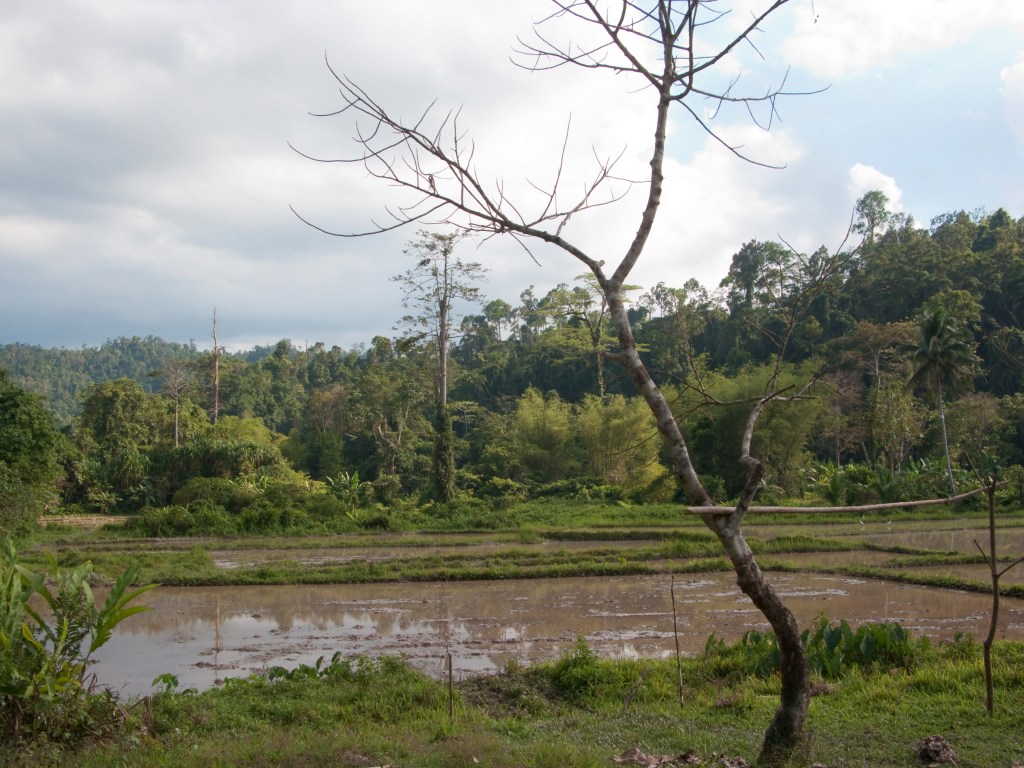
Human encroachment coupled with habitat loss has created a path for the transmission of the zoonotic virus that was originally only present in this remote population of wild bats. Without human encroachment in this remote area of the Philippines it is highly plausible that this virus wouldn’t have been able to make the jump from bats to humans. Therefore, the emergence of this new “pandemic level” virus would have never been possible.
The fact of the matter is that there are only a finite number of resources on the planet. As the human population continues to increase this is a very likely scenario for many parts of the world as more space is required to support the ever-growing human population.


