Wikipedia Follow-Up

 The wikipedia page I edited: https://en.wikipedia.org/wiki/Habitat_fragmentation

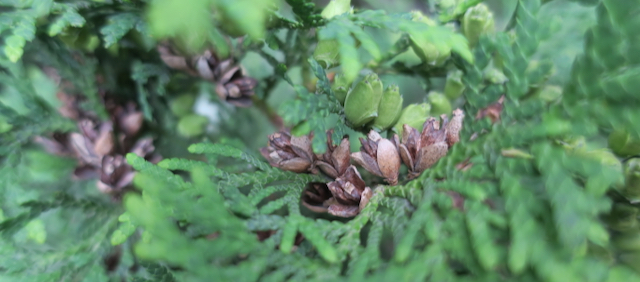
 I completed all of the training modules required for Wikipedia training and thoroughly went through each example which altogether took me an hour to complete them all. With that being said, they are informational and are essential to go through before even beginning to edit on Wikipedia. I was able to add information into Habitat Fragmentationpage on Wikipedia and I had already added information onto this page for my first Wikipedia edit, however, I was more excited this time around due to doing that topic for my class presentation and being more knowledgeable on that topic. The edits that I contributed onto the page consisted of adding additional research done on the implications and causes of Habitat Fragmentation and the primary research conducted on this topic by researchers in the past and presently doing so – focusing mainly on human activity contributions made to the positive and negative effects of fragmentation which affect the ecosystem which in turn affect the animals inhabiting that ecosystem. The feedback that I received was from a Wikipedia editor for a sentence which I added in but accidentally forgot to cite, thus, copyright violation. I was adding so much information onto this page that I completely forgot to cite my source and lost track – however, after receiving that message I immediately revised my work and contributed additional information appropriately. Overall, Wikipedia is a first-step source to help readers provide an overview of any research they may be doing and while I was conducting research was very helpful as a starting aid to further my research. A lot of the time we think about habitat loss but habitat fragmentation is just as big of a factor and it is great to see that Wikipedia has a page on this topic which can help the public to better differentiate between the two topics while being able to learn more in depth regarding this topic. 

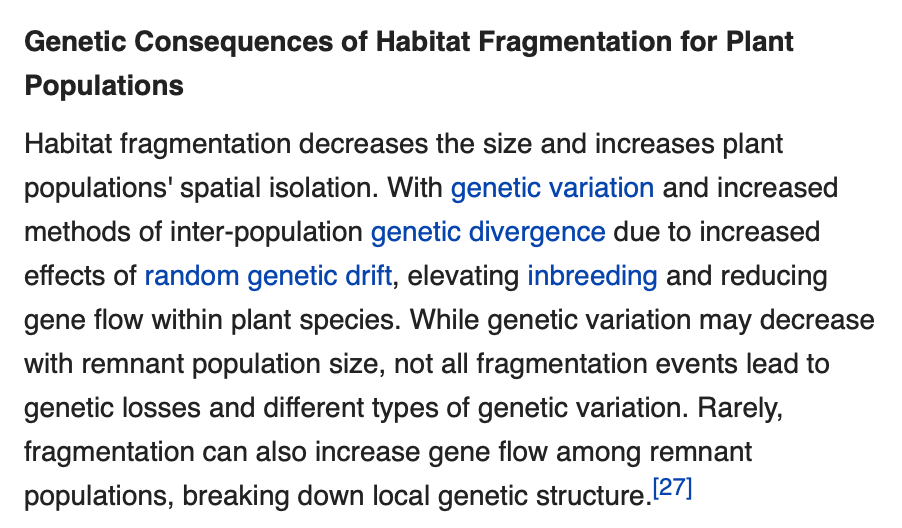
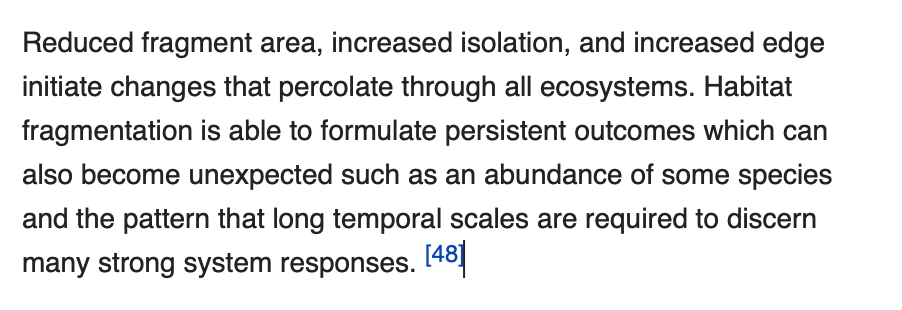
Below are some of the information I added onto the page to further my contributions, although I have made more I decided to include just a couple.
My Wikipedia Experience

As a member of Biology 4095, I can confidently say that I have gained both knowledge and skill that I will use throughout my life. One skill in particular that I have acquired, is the ability to edit or create Wikipedia pages. However, my journey to become a Wikipedian did not begin with great promise, as prior to this course, I had never practiced proper science communication.

Is science communication making me a better scientist?
Scientific Communication

Therefore, when I started my Wikipedia assignment, I was having difficulty choosing a particular Wikipedia page to edit. I knew I had to edit content related to Applied Plant Ecology; however, there are thousands of Wikipedia pages that exist which pertain to the Applied Plant Ecology field, making it all the more difficult to make a decision. Therefore, I had to think about my own interests within the very large field of Applied Plant Ecology. I then remembered my second-year ecology course, and thought about how I enjoyed learning about interspecific plant competition.

Figure 2 from Interspecific Competition for Space Between Wetland ...
Interspecific Plant Competition

With this being said, I found the Wikipedia page for Applied Plant Ecology, and added a section for parasitism among plant interactions. I used information from my second-year ecology textbook, and really enjoyed writing this informative section. I then added citations to ensure the credibility of the information I had written. After this process was completed, I felt more confident in my science communication abilities. I have learned the importance of scientific communication, as scientific knowledge should be accessible and understandable to even those with the most basic scientific background. 

The experience of becoming a Wikpedian and improving the Sustainable forest management page

Wikipedia

Wikipedia, one of the most visited websites on the World Wide Web, is a great source for quick on topic facts regarding ones less academically orientated endeavors, meaning it should not be used as a source when composing scientific literature. It is open access, meaning anyone can create an account and join the Wikipedia editing community in growing the encyclopedias reaches. I was certainly excited to be able to able to join the Wikipedia community for a second time and to be able take the knowledge I have gained in my studies in applied plant ecology and share it with literally the entire world because that is the reach and audience of Wikipedia. Whilst doing research for a previous assignment in the course, I came across the United Nations convention on Biological Diversity and immediately formed an interest in the programs and activities under the convention. I became somewhat of an expert after sifting through dozens of pages of official UN publications. So when it came time to editing a Wikipedia for this course, I knew I had to find a way to include some element of my newly gained knowledge. I first started to look at existing Wikipedia pages related to plant ecology, particularly shifting towards conservation as a key term in my search as plant ecology and applied plant ecology are heavily integrated with the many forms of sustainable conservation. Looking first at the “Conservation” and “Convention on Biological Diversity” until I came across the Sustainable forest management page. It was on this page that I realized it was lacking in many part and to my surprise it made little mention of REDD the indicative I looked at earlier that was solely based on reducing emissions from deforestation and forest degradation. That being said I took it upon myself to create another account and first add a sizable bit of information regarding REDD under the “Regional action” section of the page since REDD was formed for developing nations in particular to take advantage of. I also noticed that the “Regional action” section only mentioned the sustainable forest management work done in the United States, Indonesia and Russia. Seeing this, I though Canada deserved a mention as well as many fantastic incentives are current taking place. So I again did some research and added an “In Canada” subsection next to my paragraph on sustainable forest management done in developing countries named “In the developing world”. There I gave a run-down of how sustainable forest management is done in Ontario in particular. Overall the experience was very rewarding as I contributed to the world largest online open source encyclopedia while increased my own knowledge in the process. I would say the only challenging aspect of this interesting experience was adding in the proper references with regard to the way Wikipedia’s website likes it to be coded so that the additions are maintained and not taken down.

Incorporating Wikipedia Edu

I was given the opportunity to create a Wikipedia Edu connection to my actual Wikipedia account. At first it looked as if it was going to be a huge leap as the format of the website and the way it presented it self, appeared to be much more complicated than the actual Wikipedia page that I was used to, that some may describe as outdated by today’s website standards. However, upon playing around with the various functions I realized just how easy it was to navigate and took it upon myself to try and fully integrate both assets. Wikipedia Edu is a great tool; it has some fantastic modules that I completed with excitement as I learned many new things that I was eager to add to my next pages or improve on my current articles. It also provides fantastic facts about the group activity at the top of the home page, I was very surprised to see that the pages edited by my fellow classmates and I had over one million views on that pages in total. Facts likes these put things into perspective, of the outreach capable in today’s world. Furthermore, I was never given the opportunity to learn how to add picture media, but the modules on Edu managed to show me how, and the best part of the entire experience is how nicely it teaches you. They incorporate great short video that instruct you step by step, into their simple slides that pack a lot of information yet remain uncluttered, so you are not overwhelmed. I also found the use of mini quizzes to be very useful as I could test my knowledge gained through the module, there were a couple instances that I got the questions wrong and I was surprised since to me the answer I selected made total sense. However, the quiz corrected me with a reason that made me understand the Wikipedia point of view which is different from the mentality that I am used to. The mentality of expressing personal opinion is gone and Wikipedia Edu teaches you what is expected from Wikipedia, unbiased knowledge gained from a reputable source. Plagiarism is another topic touched on heavily the training modules and they also taught me a lot, I was presented with different forms of plagiarism that I was not aware of and made me rethink my previous mindset on the topic with an emphases on  only retrieving the overall picture from the source and mix it with my own words and ideas to drive a point, not that I had not done so before. Overall, it was an effective tool due to the curtail information presented and its overall simplicity, and I will preform as many tasks as I can though the Dashboard.

UN Convention on Biological Diversity REDD program as seen in published document “Biodiversity and Livelihoods REDD-plus Benefits”

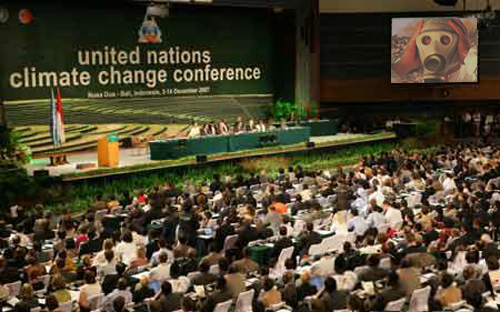
the-opening-ceremony-of-the-13th-united-nations-framework-convention-on-climate-change-unfccc-is-held-in-bali-island-indonesia-dec-3-2007-copy
2007 UN climate change conference in Bali, where planes to make REDD were put in place for the first time.

The United Nations Convention on Biological Diversity (CBD) is a treaty put into effect on the 29th of December, 1993, and ratified by over 30 countries. The treaty focuses on multilateral conservation strategies that span the entire world. It was a part of an awaking and global push in the 1990’s to make biodiversity conservation a reality. Under the UN website for the convention, I came across their thematic programs page and looked into work being done to sustain forest biodiversity. I was able to find a document regarding an initiative first talked about in 2007 and then formalized in 2010 known as REDD+, which is an incentive mechanism with a goal of reducing emissions from deforestation and forest degradation (hence acronym REDD). The document titled “Biodiversity and livelihoods, REDD-plus Benefits” that they have published explains how the convention members, particularly the developing member states use UN funding and resources to achieve sustainable management of forests in an effort to improve the forest carbon stocks, which is the amount of carbon taken out of the atmosphere by a forest and stored and used in the ecosystem it houses. The publication goes on to explain that REDD operates in three phases. Phase one consists of developing action plans and strategies, while phase two initiates technology development and transfer particularly to developing parts of the world. The third and final phase assesses the actions taken, measures and reports their implementation and effects to ensure progressive work is being done. Some of the main goals of the convention highlighted for the period of 2011-2020, included slashing the rate of loss of all natural habitats by 50% or even 100% where possible, and to conserve at a minimum 17% of global terrestrial and inland water areas. Subsequent publications by the UN in the coming months and years will explore whether such goals were meet in full or partially, however, frequent notification on the website confirm at least some significant success with such programs. The document went on to conclude that a long journey still lays ahead for achieving their multiple goals and benefits, however it will further heavily require multi-scale collaboration and contribution of multiple new and not yet ratified nation actors in the near future if the program as a whole is to succeed1.

This slideshow requires JavaScript.

References:

[1] “Biodiversity and Livelihoods REDD-plus Benefits”, 2011, published by Secretariat of the Convention on Biological Diversity, United Nations Environment Programme.


Sustainable agriculture and local food security: The practice of social responsibility on an industrial scale

fa-sustainable-oat-harvest
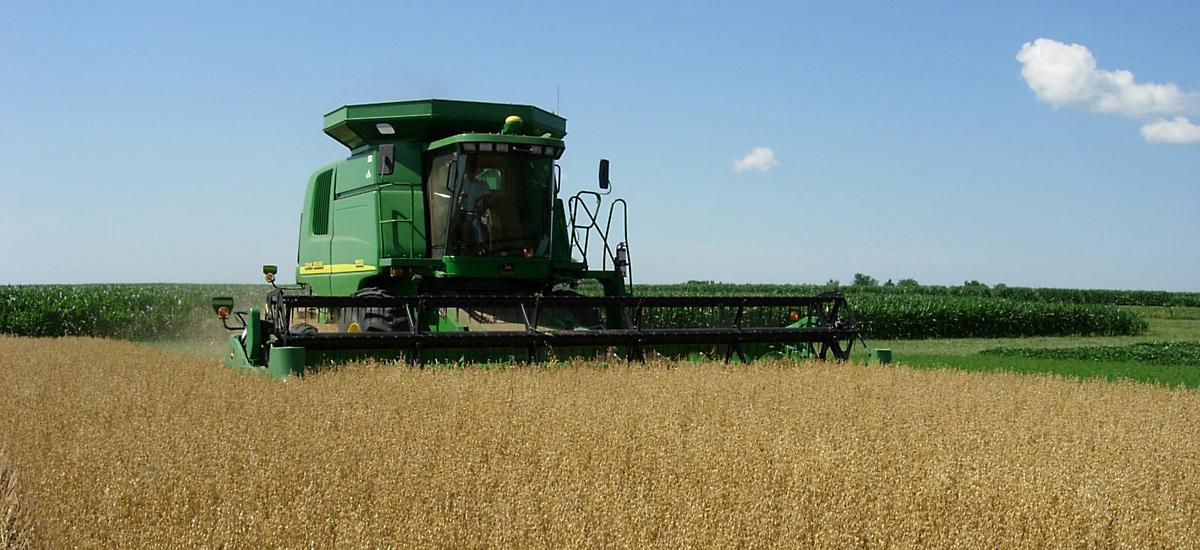
Farmer tending to the farm using a combine machine.

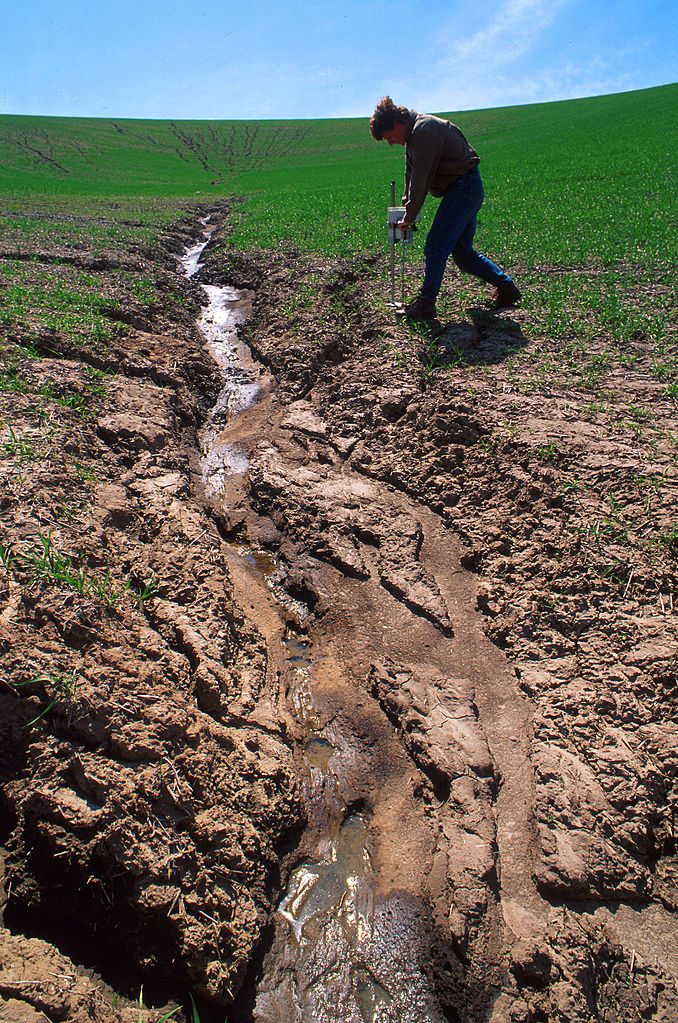
Sustainable agriculture has become a topic of much needed discussion. It has many political ramifications with regard to farming policy which makes implementing meaningful changes in the industry a real struggle. Whilst being presented as a solution to unhealthy exploitation of land, it has been placed at the forefront of the push to achieve local food security in many parts of the world. For many years now, farmers have opted to plant large quantities of the one type plant while also employing the use of chemical pesticides and fertilizers to ensure a successful harvest 1. This practice, although effective at meeting a massive food and textile demand 2, severely damages the environment as soil conditions are worsened and water and air become contaminated with toxic pesticides and fertilizers that linger 1. Degraded soil conditions as a result of tilling and use of toxic pesticides and fertilizers is seen below 4.

topsoil damage
Topsoil erosion as a result of long term use of chemicals and tilling. (source: Stanford University)

This is being done at an industrial scale still to this day, driven by achieving greater crop yield which increases profit, while being encouraged by governments looking to keep farmers happy and by heavy lobby work done by big chemical companies who have their own profit margins to worry about. In comes sustainable agriculture, which is defined by the Ontario government as a balance between economic profitability, environmental stewardship and social responsibility 3. Sustainable agriculture when done properly meets the demand of the markets while also securing the ability of future generations to do the same thing. It achieves water management, minimizes pollution, minimizes toxins, and promotes biodiversity at all levels. Actual practices in the industry include reducing tillage, integrating livestock and crops, rotating use of different crops and planting cover crops. All the practices are efficient and sustainable, and are also backed up with science. In fact there exists a whole discipline of science that focuses on running farms as ecosystems, known as Agroecology 1.

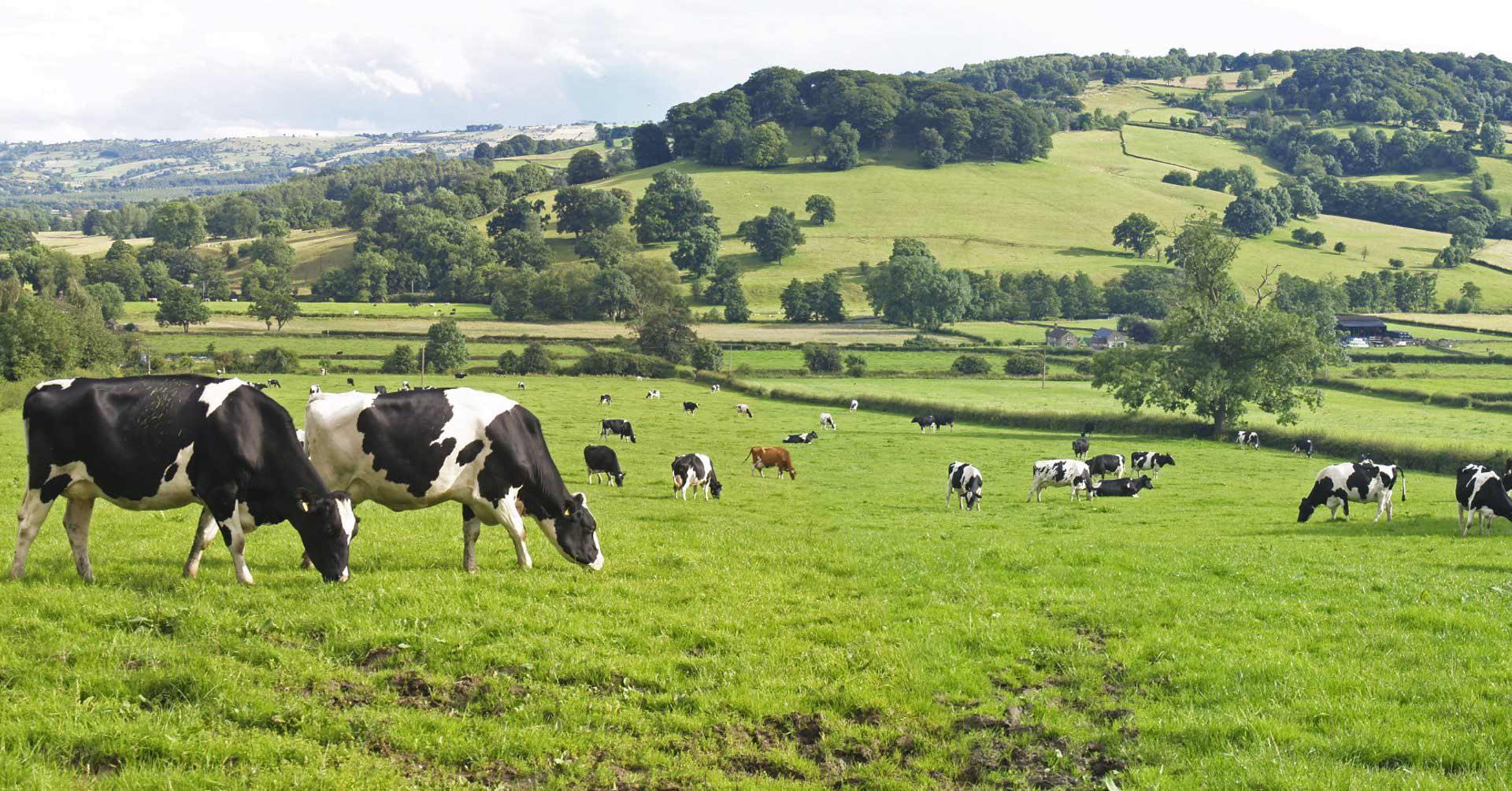
DNE_405a74e7-fimage_story
An example of a farm integrating livestock.

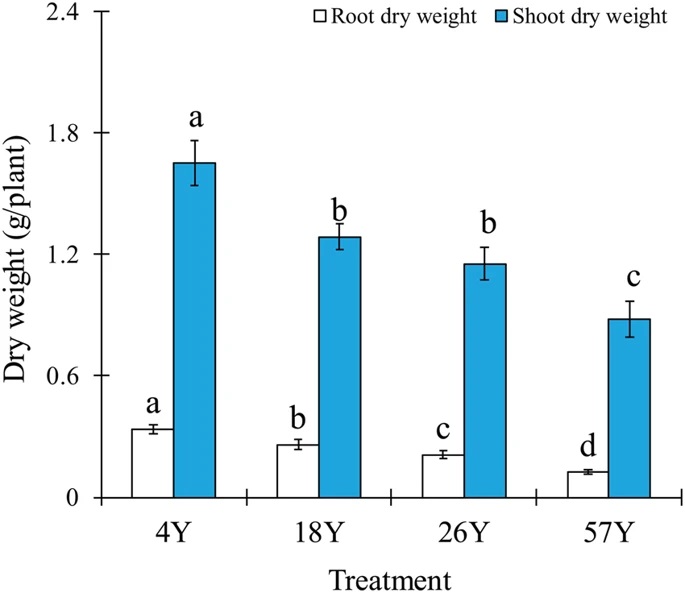
With regard to the use of multiple different crops instead of just one type, commonly known as mono-culture farming, a recently published article in Nature scientific reports provided great scientific evidence to further prove the negative side effects of this practice. Their data showed that coffee crops will experience impeded growth and productivity as a result of generation after generation of only growing one type of plant, which lead to disruptions in the pH of soil, and beneficial bacteria that are crucial to proper crop growth. One can see just how much crop growth is affected when looking at the graph below where consecutive generations saw decreased dry weight, which all spells reduced crop yield and quality and ultimately hampered profit margins which is the very purpose of growing vast fields of the same crop. So in the end, the very purpose and only positive aspect of the wrongful practice is very much defeated 5.

Article: Long-Term Coffee Monoculture Alters Soil Chemical Properties and Microbial Communities
Bar graph from Zhao et al. article, showcasing dry weight of coffee plants in grams through four treatments representing long term mono-culture planting of coffee crops in China.


References:

[1] https://www.ucsusa.org/resources/what-sustainable-agriculture

[2] https://asi.ucdavis.edu/programs/ucsarep/about/what-is-sustainable-agriculture

[3] http://www.omafra.gov.on.ca/english/busdev/facts/15-023.htm

[4] http://large.stanford.edu/courses/2015/ph240/verso2/

[5] Zhao, Qingyun, et al. “Long-term coffee monoculture alters soil chemical properties and microbial communities.” Scientific reports 8.1 (2018): 1-11.


The documentary film “Before the Flood” as related to Applied Plant Ecology.

before-the-flood-leo-dicaprio
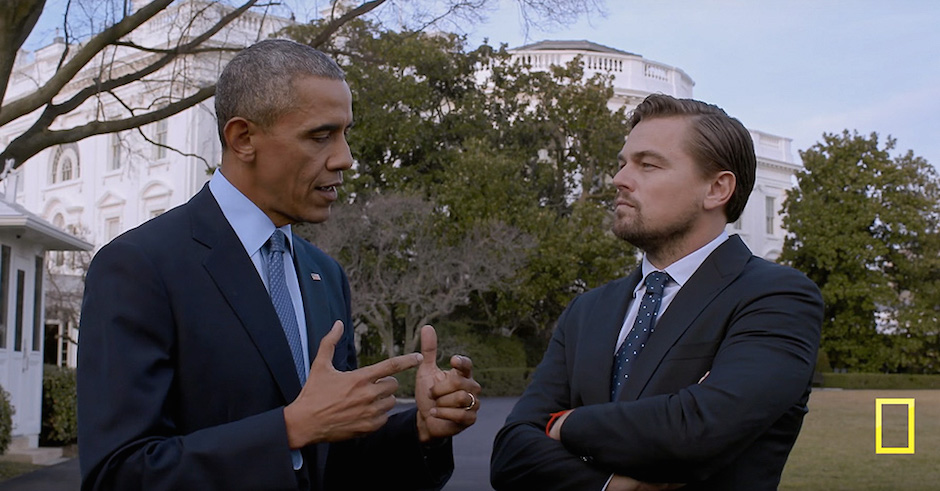
Snapshot of the film showing a conversation between actor Leonardo DiCaprio and the former (incumbent at the time) US president Barack Obama.

In my search for a film that demonstrates the core concepts of applied plant ecology, I came across many wonderful works of art. Each presented me with new perspectives regarding various issues facing ecologist, and each in their own right left lasting impressions. At the end I had to make the tough call between two very good features, however, I decided to go with Final Straw demonstrates to the viewer a series of natural sustainable farming techniques that were applied in the field. I believe my second option, the documentary Before the Flood was just as effective in delivering its message. 2016’s Before the Flood utilizes Hollywood big budget productions and world renowned actor Leonardo DiCaprio as host and narrator to explore the effects of climate change on our environment whilst also tackling the notion what can be done about it. The documentary explores the desperation of big companies like Exxon and Shell which utilize fracking as they try to squeeze every cent for profit out of fossil fuels since more conventional sources of fossil fuels are being depleted forcing them to exploit less conventional sources which are harder to develop and leave a more destructive path for both the plant and animal based ecosystems. The film goes on to clearly show the connection between putting more CO2 in the atmosphere and rising temperatures, leading to polar ice caps melting and causing the rising of sea levels which leads to more dangerous and frequent extreme weather patterns for starts, while also destroying the most isolated of indigenous fishing communities that had for thousands of year sustained themselves through fishing1. The documentary also focused on active measures that can be undertaken by societies around the globe to reverse the destruction of ecosystems and put an end to what many are calling an extinction level event currently being experienced. The powerful message resonated with many who saw it and saw the film gain critical acclaim. This is part due to hosting many of the world’s leading scientist back up all the points mentioned and by the choice of having Oscar winning actor Leonardo DiCaprio be at the forefront of the message. His talent as an actor aside, he is extremely passionate about environmental issues and is a great advocate for taking the necessary steps since he has for many years formed personal connections with many of the issues mentioned. The message of the film needless to say, also resonates heavily with the conservation topics we explored with regard to the overall theme of this course.


Before_the_Flood_(2016_documentary_film)_poster
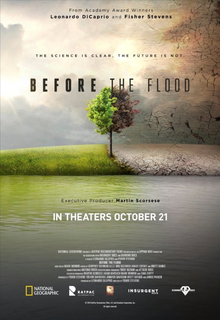
Poster for the film

References:

[1] “Before the Flood”, 2016 documentary film, directed and produced by Fisher Stevens, distributed by National Geographic Documentary Films.


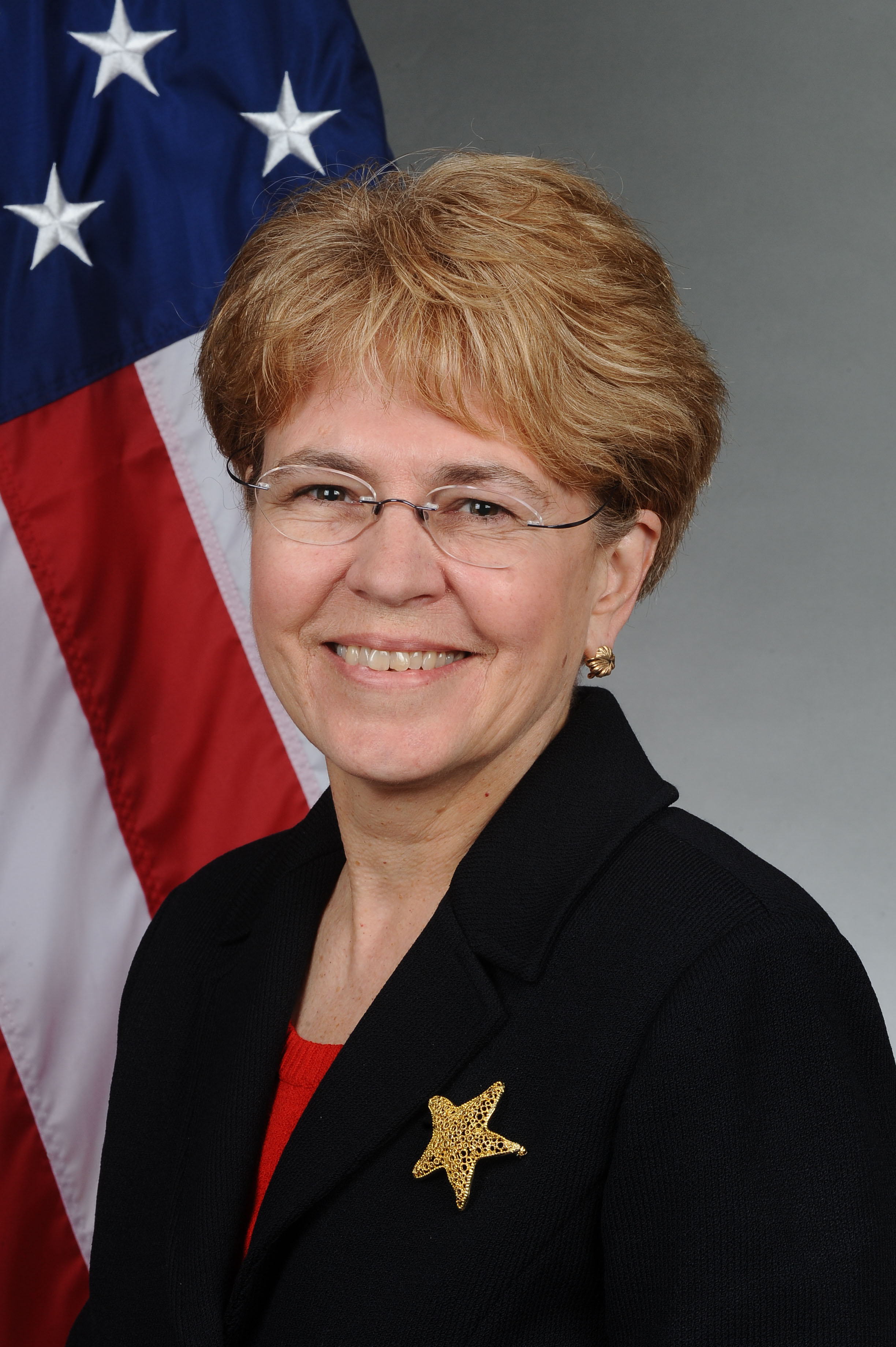
Dr. Jane Lubchenco, Marine Ecologist and First female head of NOAA

LubchencoJane-NOAA
Dr. Jane Lubchenco as Undersecretary of Commerce for Oceans and Atmosphere, and administrator of the National Oceanic and Atmospheric Administration

Dr. Jane Lubchenco is a well-known scientist, university professor, and adviser to former U.S. president Barack Obama. Dr. Lubchenco was born on the 4th of December 1947 in Denver, Colorado and currently resides in Corvallis, Oregon where she conducts important research at Oregon State University regarding population distribution, population diversity, and sustainability in marine ecology1. Her research has had a profound impact in terms of conservation and preservation efforts. While obtaining her master’s degree in zoology, she developed her passion for this field and went on to obtain a PhD in marine ecology from Harvard in 19772. In 1978 she published her first work. She made national headlines in 2009 when she became the first women to be appointed the Undersecretary of Commerce for Oceans and Atmosphere, and administrator of the National Oceanic and Atmospheric Administration2, 6. Her appointment lasted four years after which she went back to Oregon State University, to continue work on a database on marine activity for Oregon’s coast line3. She continues to publish and maintain many academic and administrative positions at various organizations that deal with the field of marine ecology, organizations such as the National Geographic Society, the Nature Conservancy, the National Fish & Wildlife Foundation, and the Environmental Defense Fund to name a few4. Her work throughout the years has always been at the fore front of innovation and discovery in marine ecology, and has been recognized as being extremely significant in providing methods for conservation efforts and sustainable coexistence with marine habitats5.

This slideshow requires JavaScript.

References:

[1] “Lubchenco banner.” Jane Lubchenco, National Academy of Sciences, http://www.nasonline.org/programs/awards/2017/Lubchenco.html?referrer=https%3A%2F%2Fwww.google.ca%2F.

[2] “Jane Lubchenco Confirmed as NOAA Administrator.” NOAA – National Oceanic and Atmospheric Administration – Jane Lubchenco Confirmed as NOAA Administrator, NOAA, 19 Mar. 2009, http://www.noaanews.noaa.gov/stories2009/20090319_lubchenco.html.

[3] Dean, Cornelia. “NOAA Chief Believes in Science as Social Contract.” The New York Times, 23 Mar. 2009, http://www.nytimes.com/2009/03/24/science/earth/24prof.html.

[4] “Executive Profile of Jane Lubchenco.” Bloomberg.com, Bloomberg, http://www.bloomberg.com/research/stocks/private/person.asp?personId=46968312&privcapId=25895596.

[5] “Jane Lubchenco.” Sustainable Development Solutions Network, http://www.unsdsn.org/about-us/people/jane-lubchenco/

[6] “OSU’s Lubchenco confirmed as head of NOAA.” OregonLive.com, The Associated Press, 19 Mar. 2009, http://www.oregonlive.com/environment/index.ssf/2009/03/osus_lubchenco_confirmed_as_he.html.

My Experience of Becoming a 21st Century Wikipedian

I had a wonderful experience being a Wikipedian. I had the opportunity of editing an existing Wikipedia page by adding more information. This included doing further research on different topics and subtopics and then adding more information to the subtopics to make them more comprehensive. This experience also gave me the opportunity of being a researcher as I had to do more research and add more references to support my arguments. 

Wikipedia Logo

It was exciting for me to be able to contribute to the information on the Wikipedia page. There is a large number of people who use Wikipedia to help them in understanding different concepts. My contribution to this Wikipedia, therefore, made me happy because I know it will be read by a large number of people and therefore I will have the opportunity of impacting people’s lives. That is, I have participated in achieving the goal of Wikipedia which is the creation of a comprehensive as well as a neutrally written summary of the existing mainstream knowledge about the topic of human impact on the environment and most especially how human impacts plant ecology.  

In addition, editing the Wikipedia page has also enabled me to improve my writing skills. The editing of different paragraphs helped me to sharpen my writing skills so as to create a positive impression to the target readers. Lastly, It helped me to communicate my message on how human impacts affect plant ecology. This has been very helpful as it has helped me to understand in-depth the contents taught in class about plant ecology and how human activities can negatively affect it. I would, therefore, do it again with different content to learn more about it.

Wiki Wonderland

Wikipedia is an online, open access encyclopedia, although some may refer to it as their academic hero. This website is brimming with information on nearly any topic one can think of. The only downfall, depending on how you look at it, is the fact that anyone can edit it as they please. As a result of this, there is a popular anecdote circulating on the internet, explaining how an entire high school history class wrote papers about how Hitler was secretly in a relationship with Stalin, a ploy devised by their teacher to weed out the hard workers from the plagiarizers. Regardless of this problematic facet, myself, along with the rest of the world will most likely never grow tired of good ol’ Wikipedia.

I, myself, had never edited a Wikipedia page until a few weeks ago. I’d always assumed there was some criteria or certification that one needed to edit a page. But it turns out that all you need to do is create an account! And let me tell you, it’s a rush knowing so many people’s sources of information lay in the palm of your hand. I could alter history… At least until someone corrects my edits and probably has me banned from the website.

I decided to edit a page about a plant that has always interested me; carnivorous plants. The concept of a plant having the capacity to eat meat is nothing short of baffling. Upon analysing the table of contents on this page, I realised that a major section was missing. It was none of than a conservation sub-heading. I took it upon myself to integrate a paragraph describing conservation threats and research implemented to potentially solve these issues or mitigate the problems already in action. I did so by reading articles published in science journals, and made sure to cite my sources. I truly hope that my work will help some poor soul out there, writing a last minute essay on plant conservation.

Don’t forget to cite me! 😀

(I created https://en.wikipedia.org/wiki/Carnivorous_plant#Conservation_Threats and added a few sentences here and there throughout the page. Be sure to check it out!)

Scientific Communication: Becoming a Wikipedia

I remember in high school, my teachers always would say “NEVER USE WIKIPEDIA AS A SOURCE.” I used to think I really cracked the system when I would use the references on Wikipedia as my source and not the actual wikipedia page. The teacher’s main reason for not us to list wikipedia as a source was because anyone can edit it and make changes, which we may not necessarily know if they are true.

Years later, I realized that this is a gross misconception of wikipedia and what is it. While, yes, it can be edited by anyone with a wikipedia account, many Wikipedia’s work to review, edit, make changes, and cite all of the information they include on the wikipedia page. There are large scale Wikipedia edit-a-thons that take place globally to ensure that the information on wikipedia is as accurately referenced and cited. I would advise anyone who is trying to research about a particular topic to start at Wikipedia, but to also recognize that is it not a primary source.

When I began learning about adding to wikipedia pages, it was very daunting and intimidating. I didn’t know where to begin because the possibilities were endless. The editing began with merging my interests with the editing. I had found a series of paper detailing the ecology of some of the smaller Dutch West Indies islands and I thought this was the perfect place to begin. The visual editing interface was extremely beginner friendly and very similar to the WordPress interface, even adding sources and links was just a click of a button.

Overall from this experience, I gained a new skill and further improved my scientific communication techniques. What I was essentially doing with the pages I editing was making the knowledge in those papers known and more widespread as well as learning how to extract and summarize important points. The information in the series of papers I used as a source was originally published in 1997, but I had never heard of them ever. By editing pages with information extracted from these papers, I shared knowledge with a whole new audience.

Design a site like this with WordPress.com
Get started