
We often think that historical figures in science were educated white men, as racism and sexism kept people of colour and women oppressed and uneducated. But there are exceptions, like George Washington Carver.
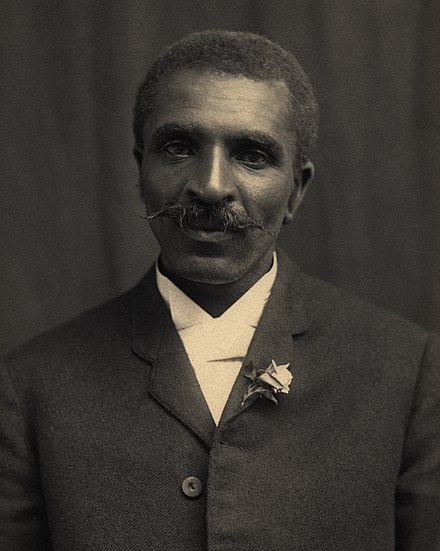
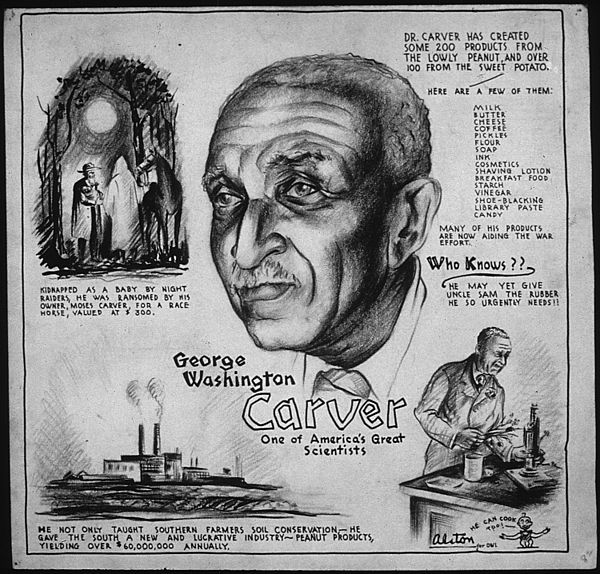
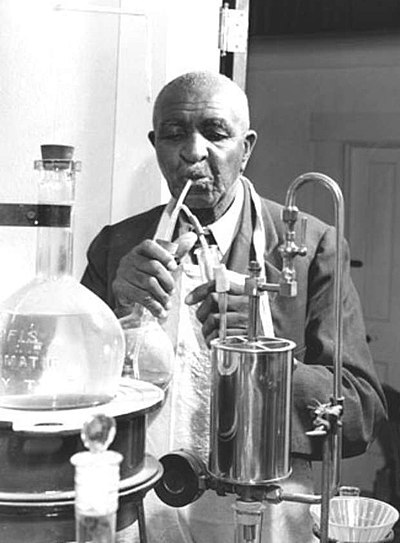
This historical figure in science was a black American born into slavery in the mid 1800s in Missouri. He and his mother were kidnapped from their plantation during the American Civil War, for the purpose of being sold. George was found and returned to his plantation while his mother was still at large. The abolition of slavery in 1865 freed George from slavery and allowed him to leave when he was a pre-teen. He discovered his interest for living creatures and plants at this time and was determined to get an education. While working odd jobs, he finally received his high school diploma in his late 20s in Minneapolis, Kansas – which only fueled his desire for higher education. Through much perseverance, George was admitted at Simpson College in Iowa for piano and art. He then transferred to Iowa State Agricultural College and obtained a master’s degree in agriculture science and a Master of Science. George then became a professor of agriculture at the Tuskegee Normal and Industrial Institute and later became the director of agricultural research. He focused his time on improving Southern agriculture from the devastation caused by the monoculture plantations of cotton. This is where George Washington Carver made his impact on ecology.
Monoculture left the soil of the South nutrient deficient and prone to erosion – which is unsustainable for plant cover. His solution was to plant peanuts, soybeans and sweet potato because they enrich the soil with nitrogen and protein. However, there was no market for these products. Knowing the importance of these plants, George worked in his laboratory to find other uses for them – and he developed hundreds. Using peanuts and sweet potatoes for things like ink, soap, milk, flour, postage stamp glue caused for a high demand of these soil enriching plants. George Washington Carver is the reason that the South restored their soil and ceased their dependence on cotton – whilst also making them a lot of money in cash crops.
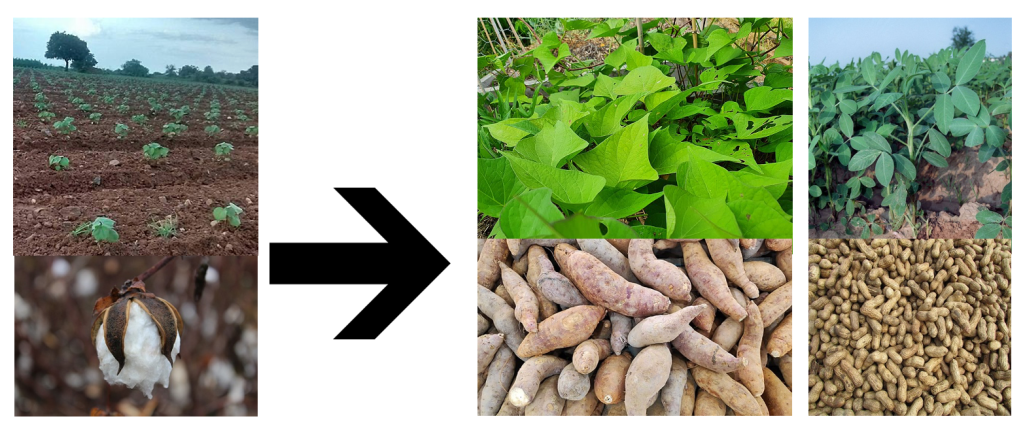
George Washington Carver is one of those rare success stories of African Americans in the 1800s. He overcame a tremendous amount of adversity to get an education and improve the plant ecology of the Southern United States of America.
References
Britannica, The Editors of Encyclopaedia. “George Washington Carver”. Encyclopedia Britannica, 1 Jan. 2022, https://www.britannica.com/biography/George-Washington-Carver.
Bagley, Mary. “George Washington Carver: Biography, Inventions & Quotes”. LiveScience, 7 Dec. 2013, https://www.livescience.com/41780-george-washington-carver.html
 Applied Plant Ecology Winter 2020