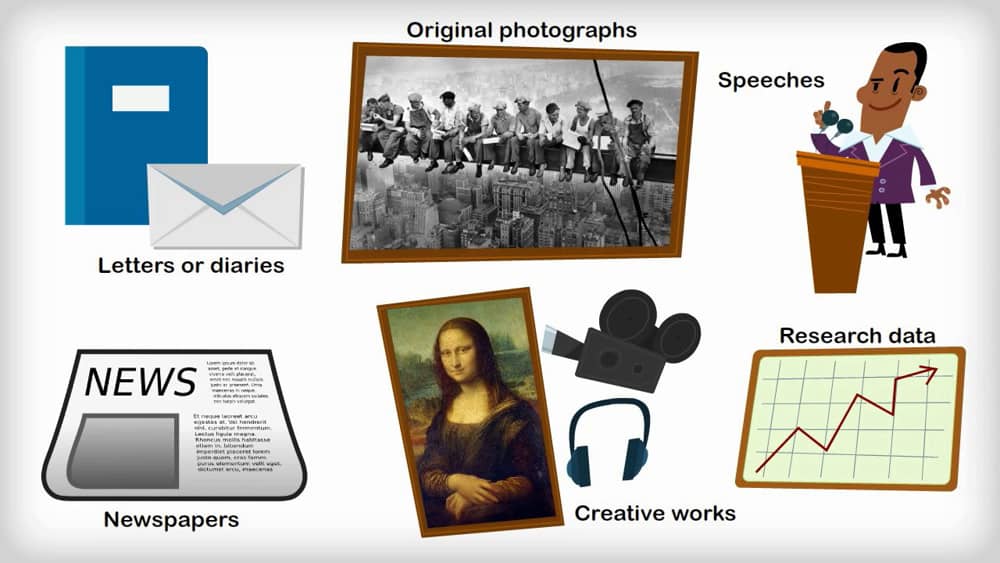
Primary sources include the first report on a particular topic of research. This includes raw data, first hand observations and overall findings and conclusions obtained from the person writing the piece of literature. For example, in the article “Synthesizing habitat fragmentation effects on plant–antagonist interactions in a phylogenetic context” the author discusses their study conducted to determine the extent and direction of habitat fragmentation impacts on plant- antagonist relations. This article discusses the results of their study including the types of interactions that occur, the types of antagonists, the extent and impact of each interaction and the purpose of each interaction. It also explores the type of fragmentation that occurs amongst these plant habitats and how that plays a role in the interactions between the plants and antagonists. Secondary sources are articles that review and discuss primary articles and research that has already been published. An example of this is the article “The evolution, morphology, and development of fern leaves”. This article reviews the morphology, evolution, development and diversity of fern leaves. It analyzes the experimental results of fern leaf development from several different case studies and discusses the genetics of the fern leaf development and predictions on their evolution. Finally, a tertiary source of literature is quite different from a primary or secondary source as it offers no new information nor does it involve any analysis of previously published information. A tertiary source simply includes a summary of research provided in primary and secondary sources. For example, the references included in the primary and secondary articles discussed above are tertiary sources of literature as they allow you to locate information discussed in those primary and secondary articles.
References:
Chávez-Pesqueira, Mariana, et al. “Synthesizing Habitat Fragmentation Effects on Plant–Antagonist Interactions in a Phylogenetic Context.” Biological Conservation, vol. 192, no. Complete, Dec. 2015, pp. 304–314, doi:10.1016/j.biocon.2015.10.002.
Vasco A, Moran RC and Ambrose BA (2013) The evolution, morphology, and development of fern leaves. Front. Plant Sci. 4:345. doi: 10.3389/fpls.2013.00345
 Applied Plant Ecology Winter 2020