

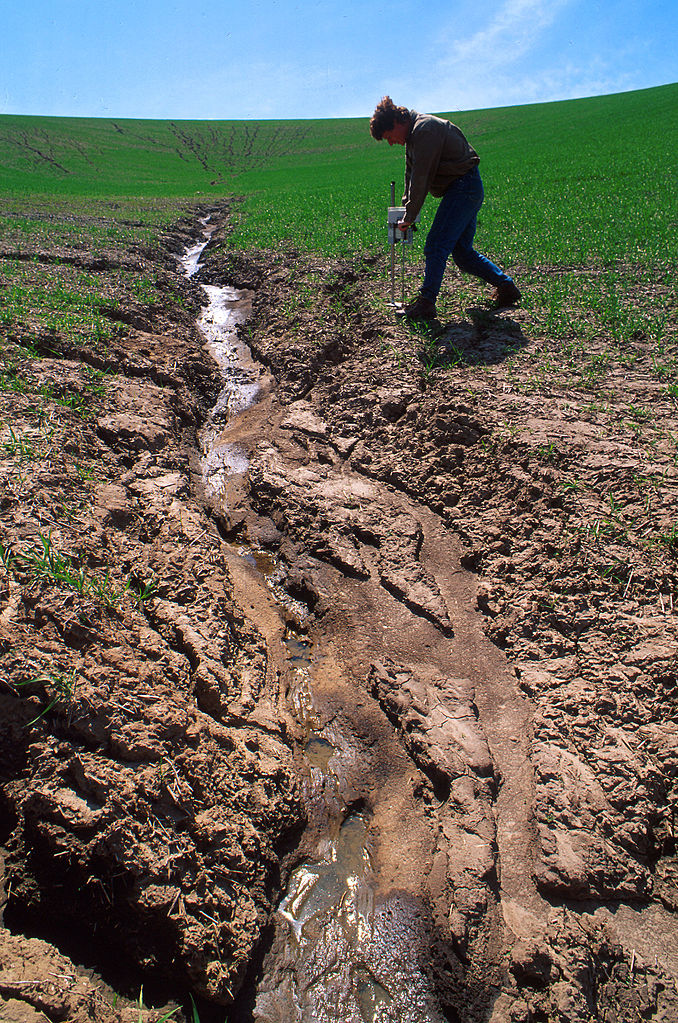
Sustainable agriculture has become a topic of much needed discussion. It has many political ramifications with regard to farming policy which makes implementing meaningful changes in the industry a real struggle. Whilst being presented as a solution to unhealthy exploitation of land, it has been placed at the forefront of the push to achieve local food security in many parts of the world. For many years now, farmers have opted to plant large quantities of the one type plant while also employing the use of chemical pesticides and fertilizers to ensure a successful harvest 1. This practice, although effective at meeting a massive food and textile demand 2, severely damages the environment as soil conditions are worsened and water and air become contaminated with toxic pesticides and fertilizers that linger 1. Degraded soil conditions as a result of tilling and use of toxic pesticides and fertilizers is seen below 4.
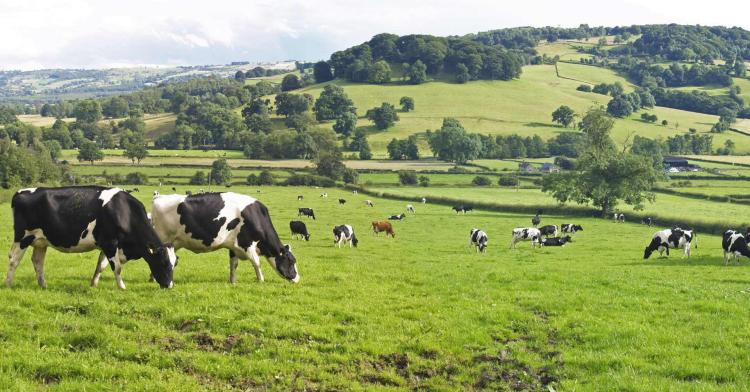
This is being done at an industrial scale still to this day, driven by achieving greater crop yield which increases profit, while being encouraged by governments looking to keep farmers happy and by heavy lobby work done by big chemical companies who have their own profit margins to worry about. In comes sustainable agriculture, which is defined by the Ontario government as a balance between economic profitability, environmental stewardship and social responsibility 3. Sustainable agriculture when done properly meets the demand of the markets while also securing the ability of future generations to do the same thing. It achieves water management, minimizes pollution, minimizes toxins, and promotes biodiversity at all levels. Actual practices in the industry include reducing tillage, integrating livestock and crops, rotating use of different crops and planting cover crops. All the practices are efficient and sustainable, and are also backed up with science. In fact there exists a whole discipline of science that focuses on running farms as ecosystems, known as Agroecology 1.
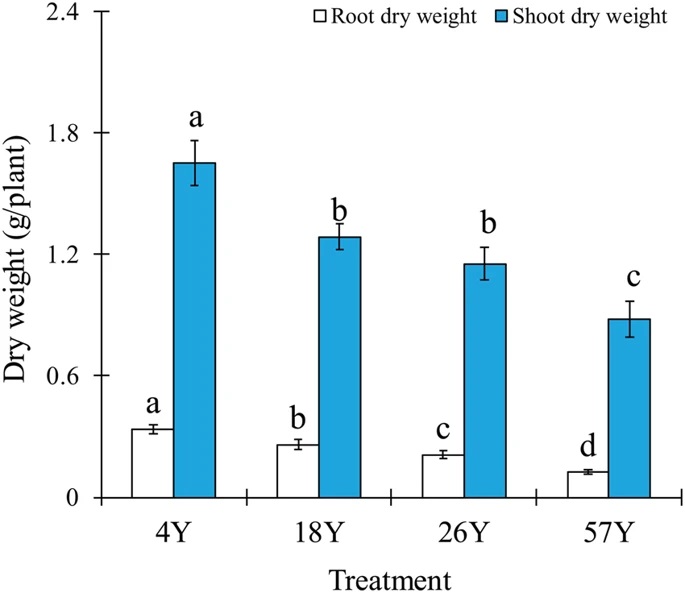
With regard to the use of multiple different crops instead of just one type, commonly known as mono-culture farming, a recently published article in Nature scientific reports provided great scientific evidence to further prove the negative side effects of this practice. Their data showed that coffee crops will experience impeded growth and productivity as a result of generation after generation of only growing one type of plant, which lead to disruptions in the pH of soil, and beneficial bacteria that are crucial to proper crop growth. One can see just how much crop growth is affected when looking at the graph below where consecutive generations saw decreased dry weight, which all spells reduced crop yield and quality and ultimately hampered profit margins which is the very purpose of growing vast fields of the same crop. So in the end, the very purpose and only positive aspect of the wrongful practice is very much defeated 5.
References:
[1] https://www.ucsusa.org/resources/what-sustainable-agriculture
[2] https://asi.ucdavis.edu/programs/ucsarep/about/what-is-sustainable-agriculture
[3] http://www.omafra.gov.on.ca/english/busdev/facts/15-023.htm
[4] http://large.stanford.edu/courses/2015/ph240/verso2/
[5] Zhao, Qingyun, et al. “Long-term coffee monoculture alters soil chemical properties and microbial communities.” Scientific reports 8.1 (2018): 1-11.
 Applied Plant Ecology Winter 2020