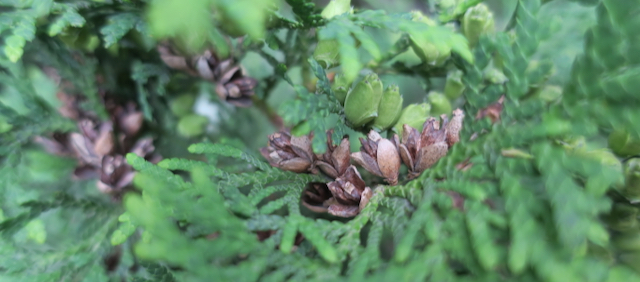
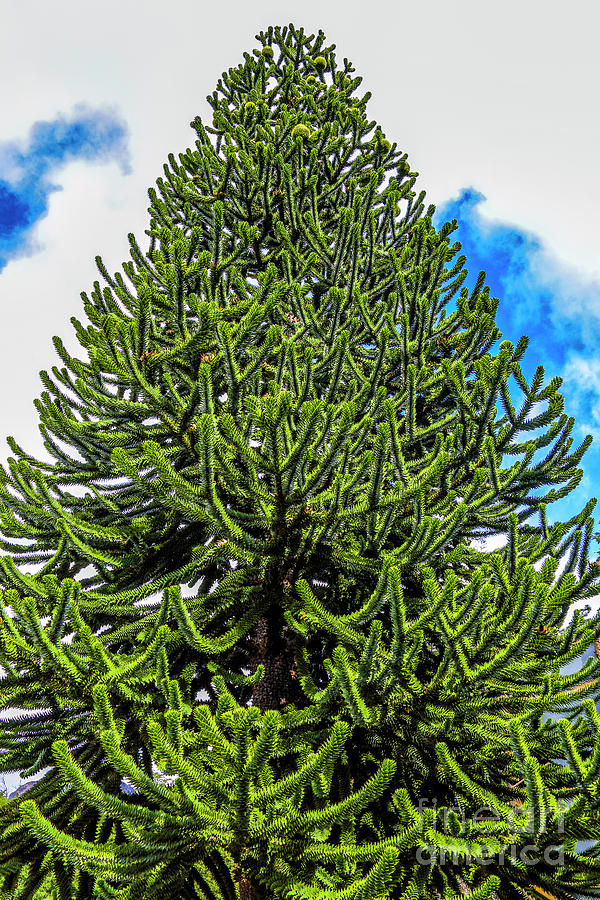
Araucaria Araucana, commonly called The Monkey Tree is an evergreen tree that is mostly found throughout the Andean range in Chile and Argentina. They can grow up to 30-40 meters in height. There are several threats to this species including, deforestation, through logging for plantation of exotic tree species and anthropogenic fires, causing a 40% reduction and fragmentation of the monkey puzzle tree range.
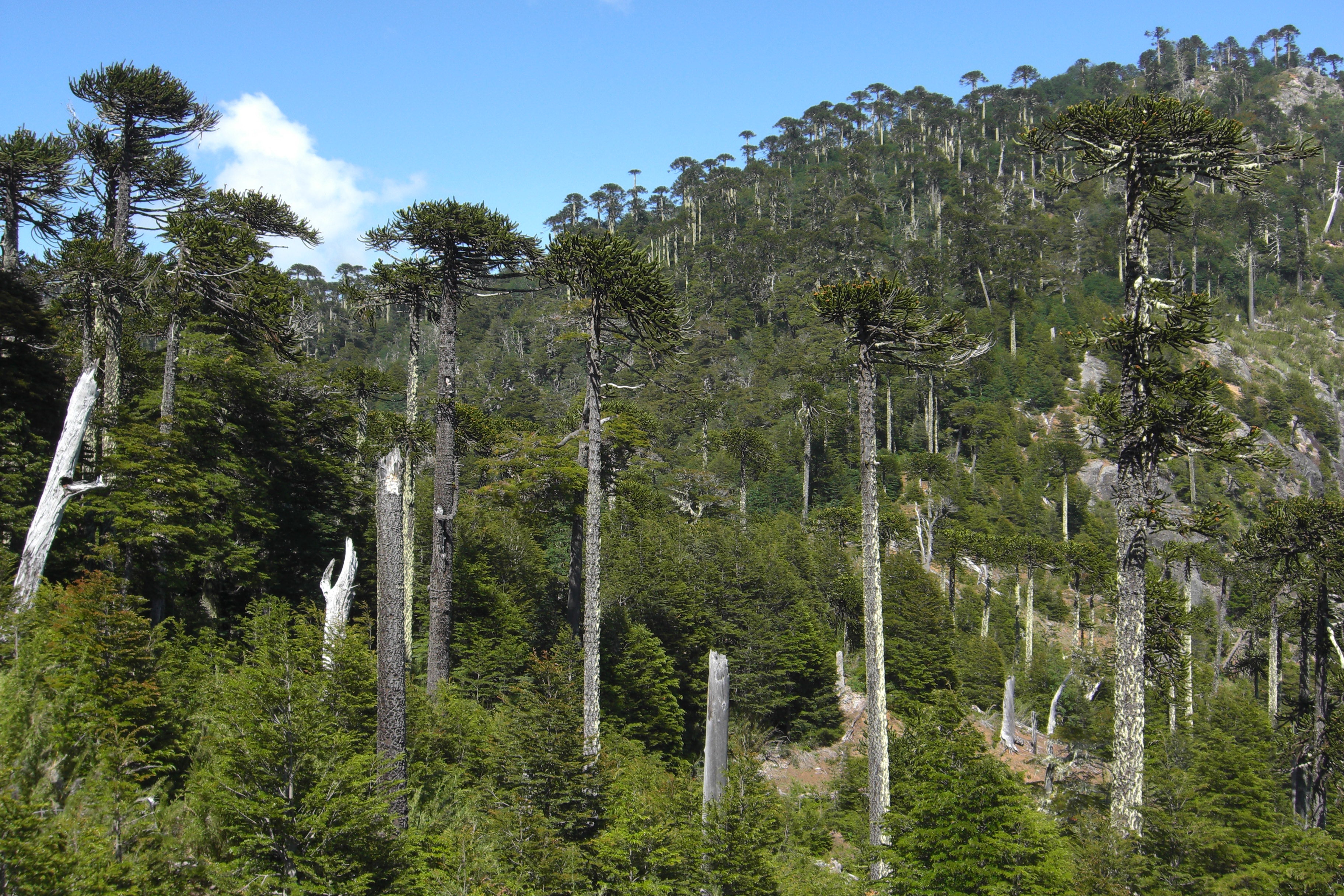
While researching about this unique tree, I found an article that focused on the impacts of exotic mammals on the monkey puzzle forest. The article was called, Large-scale impacts of multiple co-occurring invaders on monkey puzzle forest regeneration, native seed predators and their ecological interactions, written by Tella, J. et. al.
There are several animal species that consume the seeds from the monkey tree, however, after the introduction of several non-native mammals for livestock and hunting uses, there has been an increase in seed predation. Throughout this study they surveyed 516 female trees throughout the range to account for size, altitude and land use variability. Observations were made on the amount of native and exotic species interacting with the monkey puzzle trees. Animal predation was identified based on animal feces or by the way a species ate the seed.
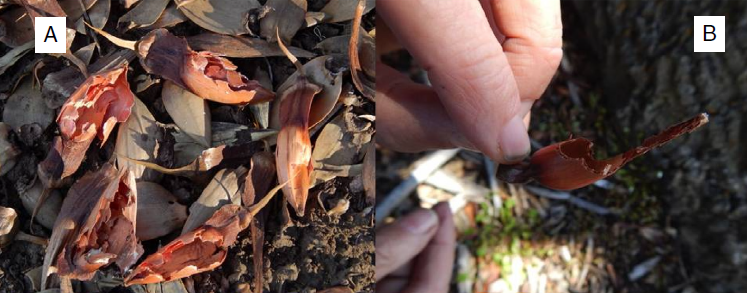
During their observations, they found that at least 90% of trees were visited by one or more exotic species. In fact, wild boars were found to contain 90% of monkey puzzle seeds in their feces. Their study suggested that exotic mammals may reduce the populations of native seed-predators in the long-term as well as the regeneration of monkey puzzle forests directly through a reduction of seed availability and seedling survival.

Reference:
Tella, J. L., Lambertucci, S. A., Speziale, K. L., & Hiraldo, F. (2016). Large-scale impacts of multiple co-occurring invaders on monkey puzzle forest regeneration, native seed predators and their ecological interactions. Global Ecology and Conservation, 6, 1-15.
 Applied Plant Ecology Winter 2020