
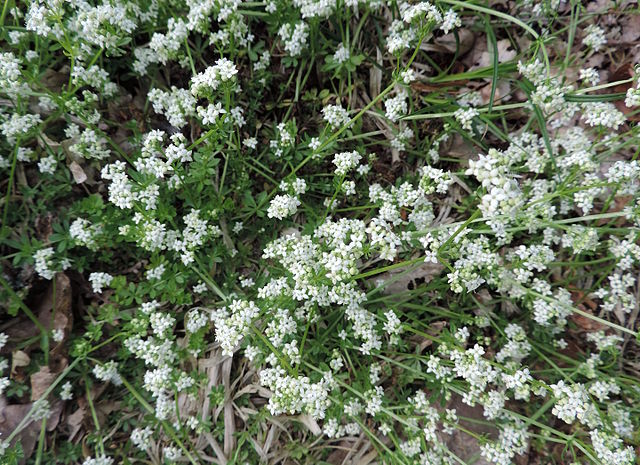
Have a read over Tansley’s paper on competition between two Galium plant species on different soils from 1917 and you might notice something missing – statistics! It’s important to include some kind of statistical analyses in an experiment as it allows us to identify if there are any meaningful trends and determine if the results are significant. For a result to be significant in statistics , by the way, means that it was likely caused by a variable in the experiment and did not happen by chance.Have a read over Tansley’s paper on competition between two Galium plant species on different soils from 1917 and you might notice something missing – statistics! It’s important to include some kind of statistical analyses in an experiment as it allows us to identify if there are any meaningful trends and determine if the results are significant. For a result to be significant in statistics , by the way, means that it was likely caused by a variable in the experiment and did not happen by chance.
In the case of Tansley (1917), a couple of the results observed were:
- Galium slyvestre germinates on calcareous soil, sandly loam, and acid peat
- Galium saxatile germinates on all tested soils, but to a lesser extent than G. sylvestre
For the first mentioned result, an observation was made in that “some plants maintain themselves on peat in competition with the dominant G. saxatile for at least six years.” Statistics could be used here and we could ask “are the number of plants that maintained themselves with dominant G. saxatile significant?” If so, then we know that the presence of other plant species may be able to contribute to an ecosystem and make it more stable and biodiverse despite the competition with the dominant G. saxatile.
For the second mentioned result, it was mentioned in the paper that “those which survive and become normally green do not survive competition with G. sylvestre.” Statistics here can help clarify exactly how significant this result may be. Their use of words such as “many die” leaves the exact results unclear. It already sounds significant, but having an analysis with hard numbers can really drive home the results from an experiment. And unless this exact experiment was exactly replicated many, many times, we still don’t know if this particular results was due to chance or even another variable.
Statistics may appear intimidating to some people, but just take a moment to go over them anyways. You will be able to understand the meaning of results and not leave them up in the air for interpretation.
 Applied Plant Ecology Winter 2020