Martha Ann Maxwell (1831-1881) was a naturalist and taxidermist in the 19th century who was one of the first female naturalists who hunted and created her own specimens. She was at the time well known for displaying her animal specimens in unique, lifelike dioramas, which possibly played a part in influencing many major figures in the history of taxidermy.
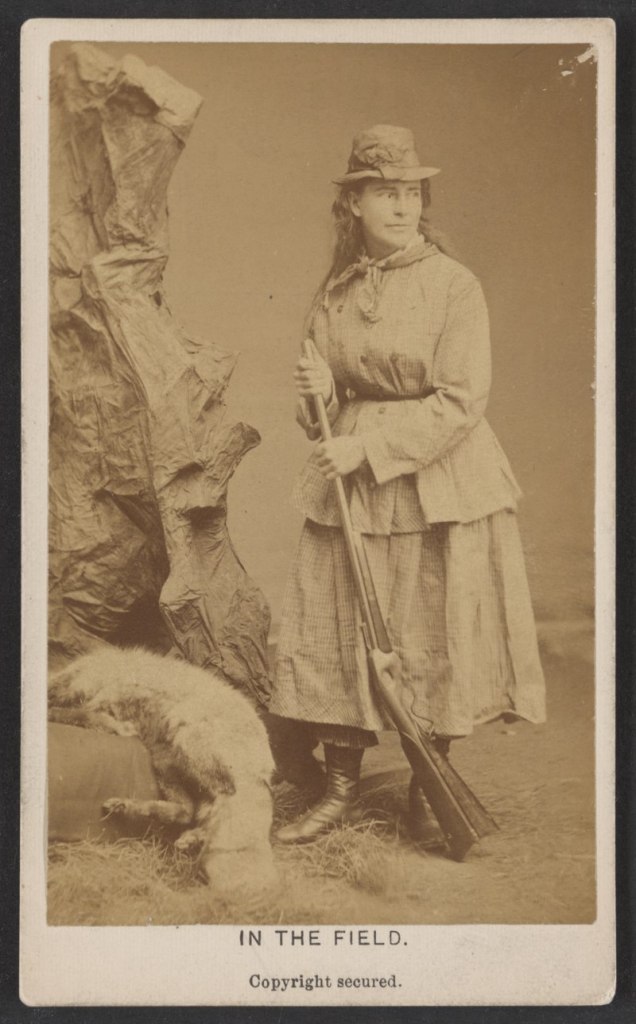
Martha was born on July 21, 1831 in Pennsylvania. Martha’s father died a few years after her birth, and her mother soon remarried. Throughout her childhood, Martha developed a love for nature from her grandmother, who frequently took her on walks in the wood to watch wildlife. Martha had plans to be a teacher when she grew up, but could not complete college due to financial troubles. She was employed by her future husband in 1853, James Maxwell, a businessman with six children, and married him in 1854 and soon had a daughter in 1857.
Due to the financial crisis in 1857, the Maxwells lost most of their income and as such decided to join the Colorado gold rush, leaving her daughter behind with her parents. Martha took to ladylike duties such as washing, sewing and baking to earn her own income while the rest of her family pursued mining, and she was able to purchase her own investments such as a portion of a boarding house, a log cabin in the woods, and some mining claims.
After the boarding house in which they resided burned down in 1861, plans to move into the log cabin was met with difficulty as a man had taken up residence as a squatter. Upon eviction of the squatter, she found many stuffed animal sin the cabin, which possibly sparked her interest as upon moving back to care for her daughter, she begged a local taxidermist to let him teach her.
Martha moved back to Colorado with her husband, and there she began to build a collection of native animals, often taking trips into the Rockies with a rifle to gather them, gaining over 100 specimens by late 1868. Many locals took notice of her collection and she was asked to display it in a local exhibit, gaining positive reception which further encouraged her to gather more specimens. Martha continuously refined the taxidermy process, but due to her gender and her relative isolation, few took notice of her advances. Eventually, she opened up a museum displaying her exhibits hoping to make money, but despite all the praise it obtained it was not a profitable venture.
Martha’s big moment came in 1876 when she was invited to display her work at the first of what is now known as the worlds fair. There, she created a complex diorama replicating a natural scene of the Rockies, garnering massive attention and so much disbelief that a women could have done all of it themselves, that she had to put up a sign saying “Woman’s Work”. Her exhibit was popular and so many visitors wanted a keepsake of it that the fair could not keep up the demand for pictures.
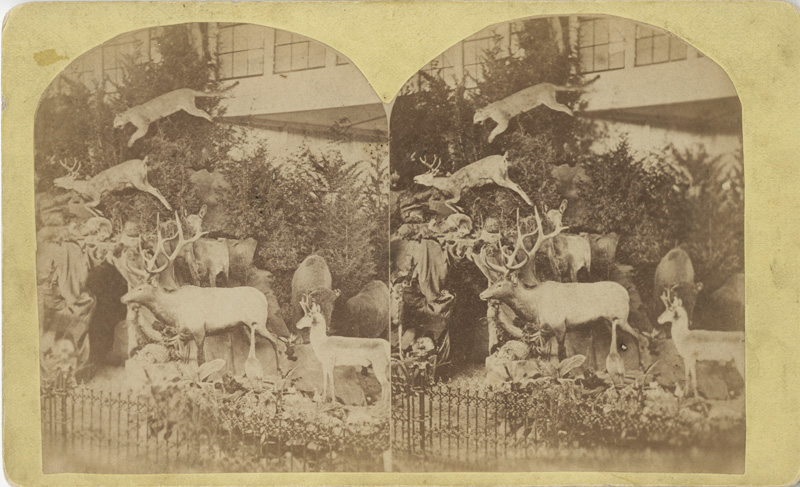
Despite her big success at the fair, she still struggled financially for years trying to make a living off her exhibits, but soon after became too ill to work and died of ovarian cancer at 49 on 31 May 1881. Her specimens were put into storage after being exhibited a few more times, but eventually disintegrated due to time and unfortunately when rediscovered nothing was worth preserving.
Even though we cannot see her specimens, her influence can be seen in museums across the country as she influenced how specimens are displayed today. She was inducted into the Colorado Women’s Hall of Fame in 1985.
Supplementary Sources:
Wikipedia
Americ Comes Alive
Encyclopedia of World Scientists pg 494-495
 Applied Plant Ecology Winter 2020