During the summer of 2019, I had the privilege to take a geography course called “Conservation in the GTA: Nature, People, & Politics”. The course was structured as a field course and as such, we got to personally meet a wide variety of people (policymakers, indigenous peoples, and ordinary citizens) around Toronto and learn about their work. One topic which we were exposed to is the issue of green spaces and food security, especially in the lower-class areas of Toronto.
Now, you may ask “how does Toronto face food security issues if there is a supermarket every other street corner?”. While that may be true, food security isn’t just the availability of food, but also the means for people to access it. While you or your friends may enjoy eating whatever you want, some groups are disproportionately affected by food insecurity. One such example of this is the general area outside York University along the Jane and Finch area, where many families are low income and do not have the means to afford or grow their own food at home.
Almost 12% of families in Ontario lack the ability to afford or access adequate healthy food or the means to prepare it, often resulting in them subsisting off of cheaper fast-foods or no food at all, which can be a cause for poor heath (subsequently increasing the cost to the healthcare system).
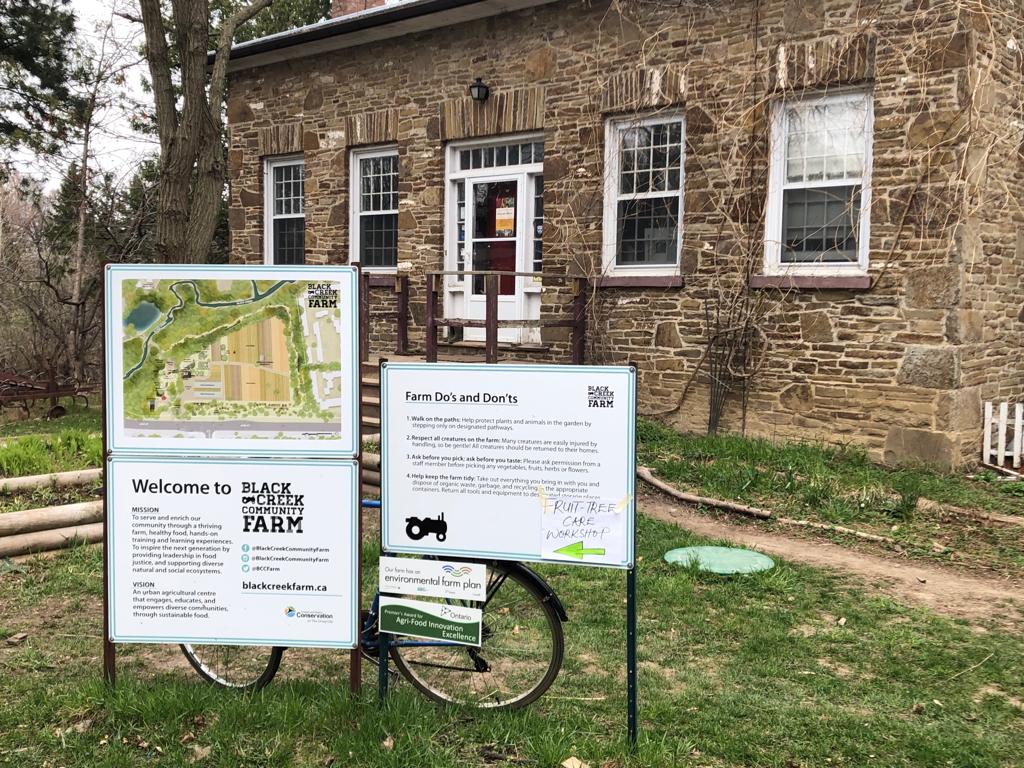
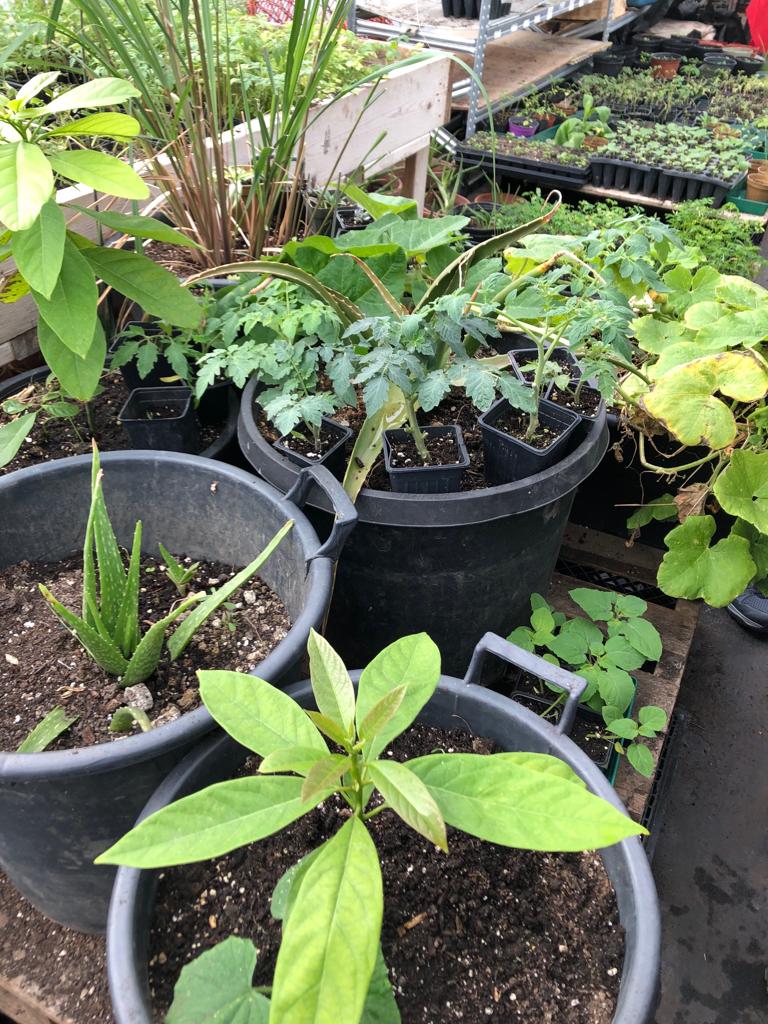
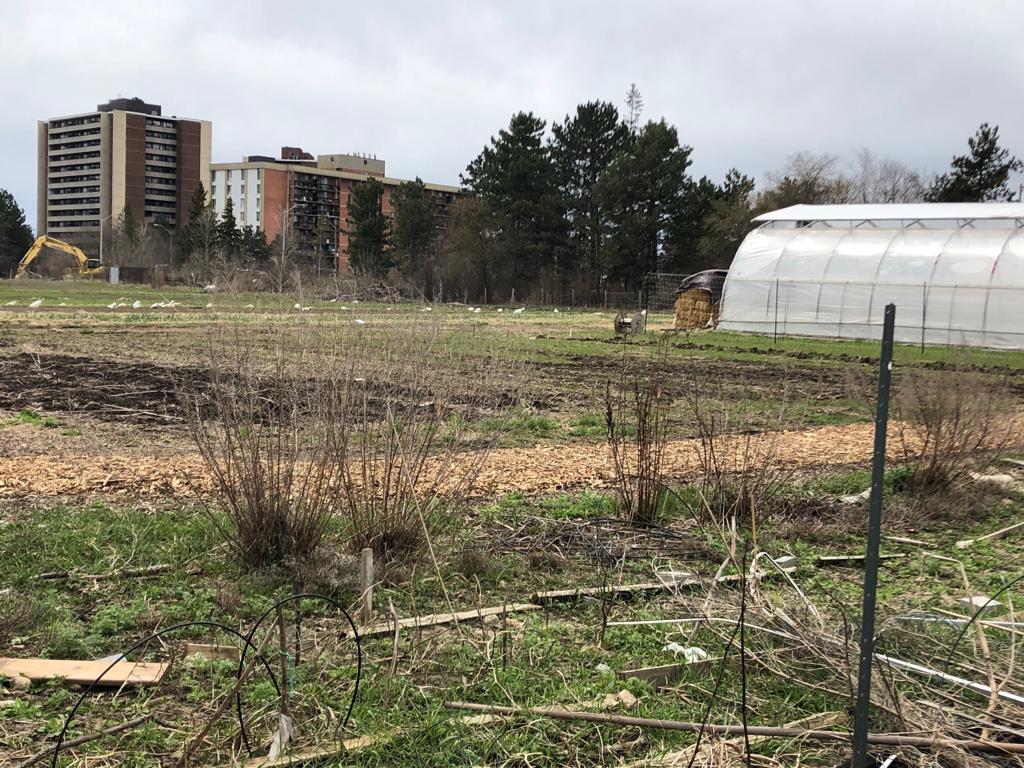
This is where organizations such as the Black Farmers and Food Growers Collective (BFFGC) come in. The BFFGC owns a large area of land just adjacent to York on Jane street (you have seen it if you have accessed campus that way) and takes a food justice approach to tackle food security issues within the community. Within their establishment, you can loan a piece of land and they will teach you how to grow your own crops for free. They also have a large portion of land and Greenhouses dedicated to orchards and variety of produce in the summer, which they will sell at affordable prices or donate to those in need, allowing those without land at home to have access to good food.
While the BFFGC is just one example, there are many other community garden initiatives popping up across Toronto, including another large plot at Downsview park and even one in York’s own backyard called the Maloca Community Garden.
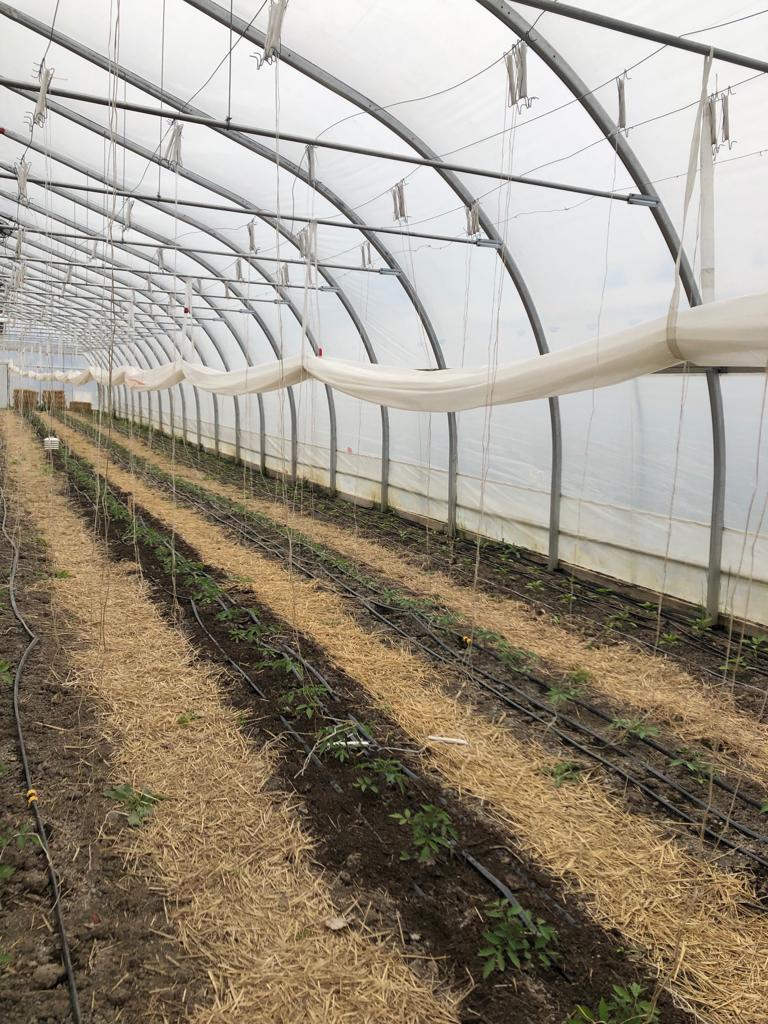
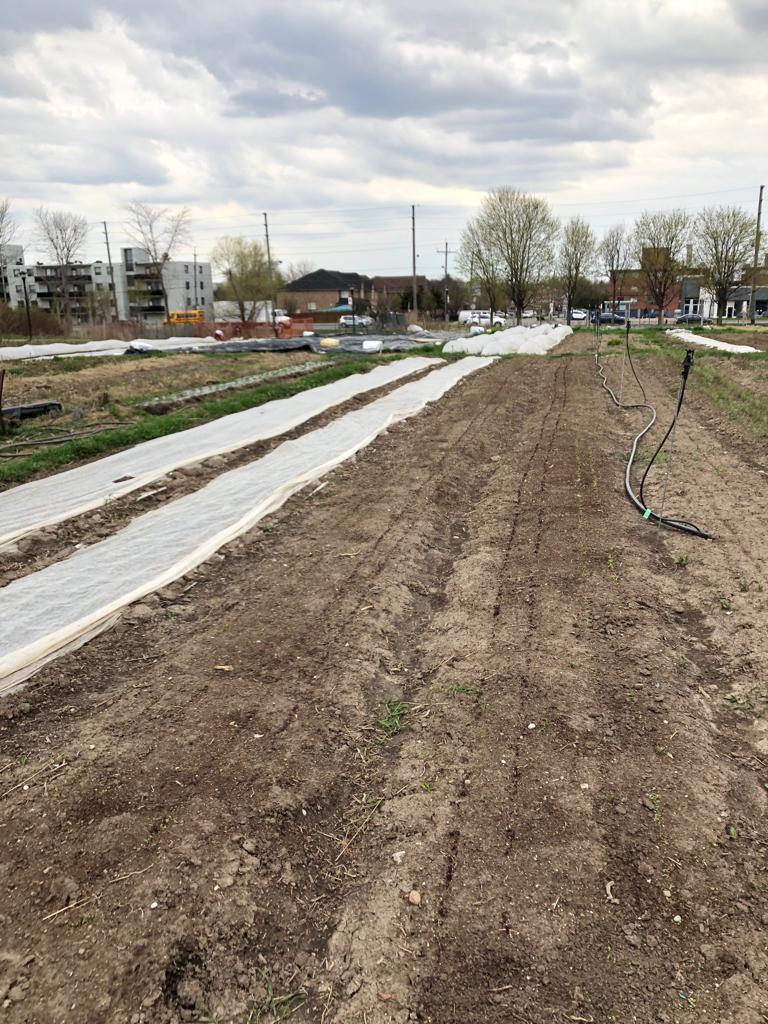
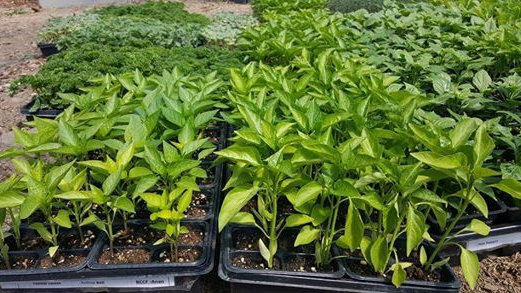
Having access to adequate nutrition is a human right everyone should have. Achieving Food Security through sustainable agriculture also offers benefits to everyone:
-Eating well has been shown to improve mental health and reduce chance of sickness (saving healthcare system costs)
-Keeps money in the community through purchasing produce from small local growers, or even saves you money because you grow the produce yourself.
-Reduces carbon footprints by relying less on store bought produce which may have been grown and transported long distances.
Also on a more personal note as a person who has a garden at home, there is nothing more satisfying than seeing (quite literally) the fruits of your labor. Food that you grow just simply tastes better, and If you don’t believe me just visit a farmers market, I suggest you do and taste the difference of locally grown food, you won’t regret it!
 Applied Plant Ecology Winter 2020