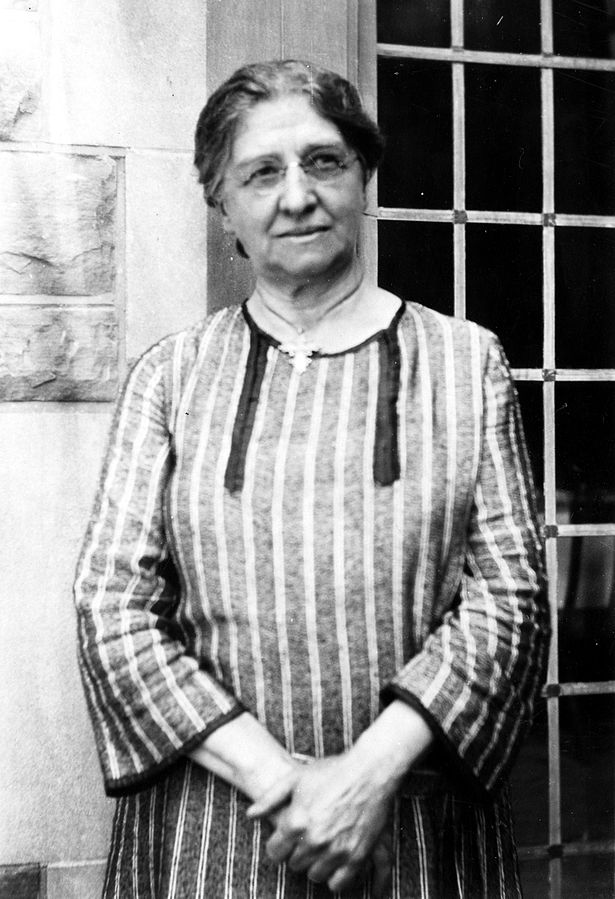
There are many women in science that are often forgotten, not celebrated or uncredited for their work. As times are changing, more and more women in science are being recognized and honored for their work in the field. I would like to travel back in time and give thanks to Canada’s first female biology professor – Carrie Derick.
Carrie Derick was born in what is now known as Quebec in January of 1862. She received her B.A from McGill University at the age of 28 and went on to be the universities first female botany demonstrator. She later received her M.A in botany at McGill, but decided to leave behind Canada and her many jobs to seek out a Ph.D. degree in Germany. Although she did complete the research required for her Ph.D, she was not granted one as at that time, females could not receive such a high level of academic stature. As a woman in science today, I could not fathom how Carrie could have felt being treated as a lesser than to her male colleagues plainly on the idea that she is a woman.
Sadly that was not the only battle Carrie had to face in her career, as many other females at the time, there were many inequalities that existed in her career. Carrie also faced pay reductions based on gender, including lower salaries and published work without pay.
Despite all this, she continued to work in science alongside her male colleagues and advocate for early feminism. She became the chair for McGill’s Botany Department in 1909 and after they removed her in 1912, she went on to become the very first female to have a university professorship. Although she was told her title was courtesy title, she continued to show up, research and publish a number of academic publications that continue to make a difference in science today. This strength and perseverance allowed her accomplishments and research to speak for itself, and she became a leader in botanical and genetic studies, and in feminism. She co-founded the National Council of Women, was a member of the Alumnae Society and many other women’s movements, and supported fellow women in academia and law.
Because of women like Carrie Derick, women like me over 100 years later are able to follow our passions and contribute to the study science. We are able to get proper educations, we are deemed equals in our work place (for the most part, feminism still has some ways to go) and are able to follow a variety of fields in science and contribute to changing the world. Women everywhere, not only women in science, should salute Carrie Derick and thank her for fighting her many hardships and fighting for a future she believed in, one where women in science were recognized.
 Applied Plant Ecology Winter 2020