
The peer-reviewed journal article entitled “Habitat persistence, habitat availability and the evolution of dispersal,” written by Justin Travis and Calvin Dytham, was published in the year of my birth (1999). The paper discusses how dispersal and migration rates of animal and plant species are influenced by habitat persistence, landscape patterns and habitat availability. Within these factors, static patterns, dynamic patterns and ecological corridors are considered.
http://www.jstor.org/stable/51420
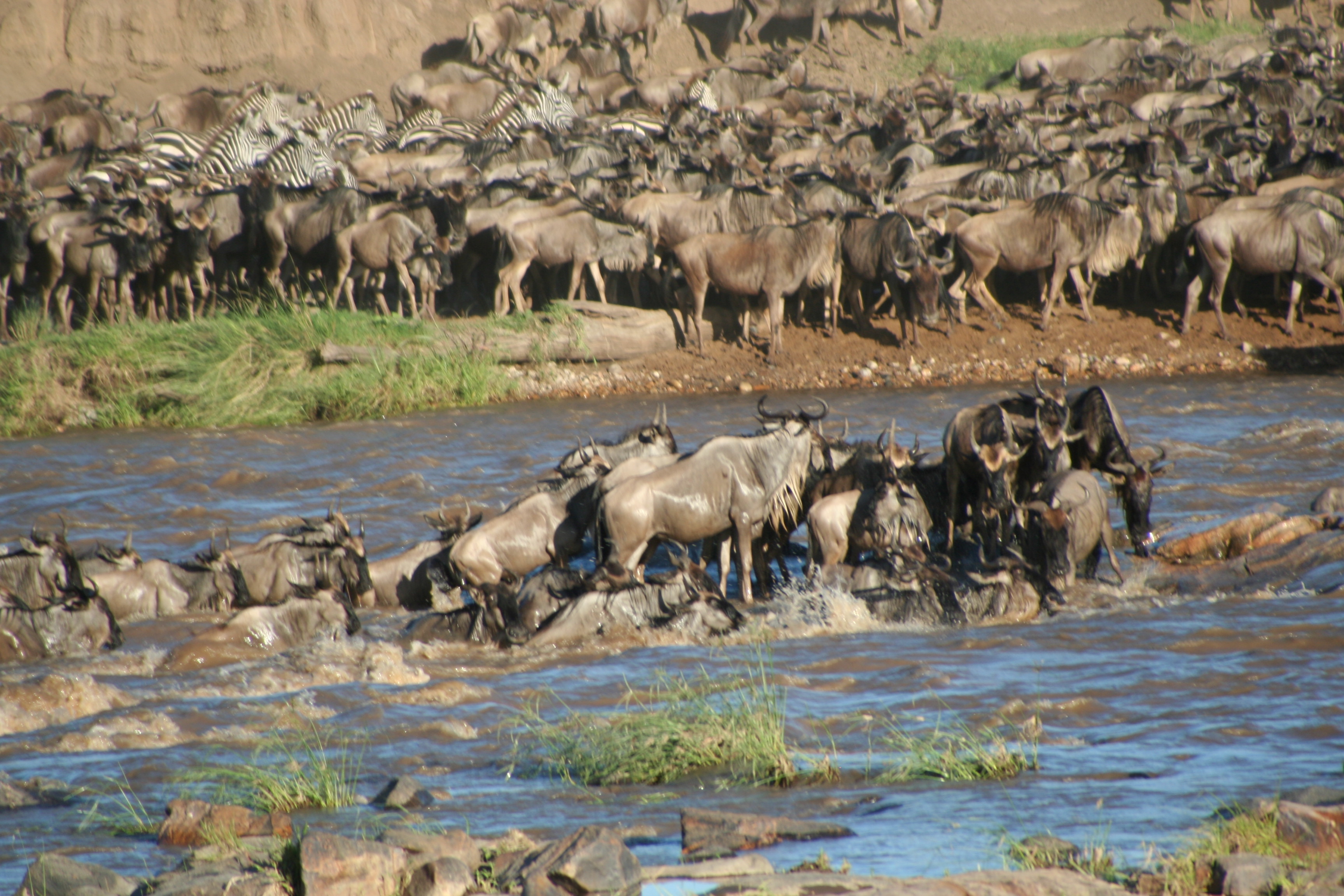
For static patterns, the study is concerned with site availability. A site can either be available or unavailable for dispersal or migration. Those who stay at their original site and do not disperse have a mortality risk of 10% in general. For dynamic patterns, the study recognizes that habitats are constantly changing. A particular habitat will not remain in a permanent state for different generations of migrators. This aspect of the study is concerned with how much of a particular habitat remains available as time passes for future generations. This influences dispersal and migrations patterns, as the number of inhabitable patches within a habitat can potentially diminish or be compromised in some way overtime. Therefore, less individuals would be able to disperse or migrate to these patches overtime. Finally, for the ecological corridor aspect of this study, the goal is to determine if increasing dispersal rates are correlated with attempts to connect isolated fragments of different habitats. The corridor size varied through different study habitats.
Furthermore, for static patterns, it was concluded that as a reduction in habitat availability occurred, less dispersal took place. Also, the likelihood that an individual would disperse form a particular habitat depended on the location of that site relative to other sufficient habitats. If other suitable patches were found nearby, it was deemed more likely for an individual to disperse or migrate to these areas, simply based on accessibility. In addition, the results for the dynamic pattern aspect of the study concluded that as habitat availability decreased, individuals who preferred not to disperse had a greater chance of success. These species incurred a greater chance of survival overall, and faced a smaller risk or extinction. However, if a habitat was known to persist for an extended period of time, those who dispersed to this location faced a better chance of long-term survival in general. Finally, the results of the ecological corridor aspect of the study yielded surprising results. It was concluded that the corridor reduced the rate of dispersal and migration among the connected fragments of habitats. Therefore, dispersal and migration were not favoured in these environments. The environments with the longest corridors saw the least amount of dispersal, which was contrary to the original hypothesis of the study.
I settled on this particular paper because I am interested in the factors that affect species migration and dispersal. Both migration and dispersal are important in shaping ecosystems, as each individual plays a role in maintaining the natural balance of an ecosystem. When a new species is introduced, or an unfit species is eliminated from a habitat, succession is taking place for the benefit of that particular habitat.
Works Cited
Justin M. J. Travis, & Dytham, C. (1999). Habitat Persistence, Habitat Availability and the Evolution of Dispersal. Proceedings: Biological Sciences, 266(1420), 723-728. Retrieved February 14, 2020, from http://www.jstor.org/stable/51420
 Applied Plant Ecology Winter 2020