
Agriculture is the production, cultivation and distribution of food sources. It plays an important role in the economy, as the agriculture sector provides many people with nourishment and employment. However, agriculture is also one of the leading causes of the loss of biodiversity. Bad farming practices such as excessive herbicide and pesticide use, floor irrigation and harmful methods like “slash and burn” limits the amount of crop that could be yielded, as well as ruining the soil for future use. People depend of agriculture for its food security, so continuing to practice these destructive farming methods would result in a loss of food production.
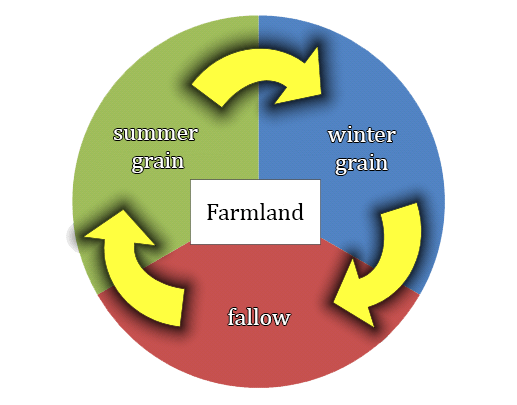
Luckily, all is not lost. Sustainable agriculture can be the key to solving this issue. We can increase food security by advocating for good farming practices, like crop rotation, schedule irrigation and applying crop covers. Planting crops can have negative effects on the soil after its picked. This is why its important to practice crop rotation. With crop rotation, farmers change the types of plants they grow on their fields every couple years in order to maintain soil fertility. Planting vegetables like peas every once in awhile act as a natural fertilizer and will leave the soil with lots of nitrogen after its planted. Irrigation scheduling is another good agriculture practice. This method will ensure a large amount of crop yield by preventing fields from being overwatered and wasting money and resources. Finally, crop covers are an important part of sustainable agriculture and it provides many benefits, such as reducing soil erosion and maintain nutrients. All in all, bad agriculture methods can have a huge impact on food security, but we can minimize the damage that has been caused by implementing and applying sustainable agriculture practices.
 Applied Plant Ecology Winter 2020