A few weeks ago, as a class, we received a guest lecture about ecological footprint given by Chaya Kapoor. This sparked my interest on the topic and I decided to conduct further research myself. I came across a journal by Wackernagel and Rees. It explains what ecological footprints for beginners e.g. non-scientists, describes as a tool used to find out the rate at which resources are used and how waste is assimilated in an human population.
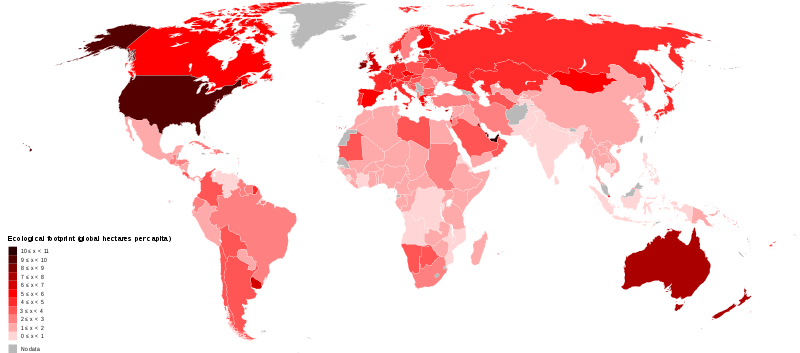
The main focus of ecological footprint is incorporating ways in our daily lives to decrease it. Below are some simple ways to decrease our ecological footprint.
- Switching to renewable energy
- Eating less meat as it is a major source of greenhouse gas emissions
- Reducing waste by using compost
- Buying in bulk
- Buying reusable products
- Recycling
- Driving less and using public transit or walking more
- Switch to electric vehicles
- Choose food with less packaging
- Unplug electronics when not in use
- Take shorter showers
 Applied Plant Ecology Winter 2020