Air pollution is a major contributor to climate change by increasing the carbon dioxide, nitrous oxide and super pollutants in our atmosphere. It has already begun and will continue to impact our planet with wildfires, loss of biodiversity, sea level rise and health risks.

United Nations presents a recent results conducted illustrating the effects of air pollution on natural vegetation and crops. 14 countries agreed to participate in the European moss survey, conducted 2010-2011, in which data was submitted on the presence of nitrogen in the countries’ mosses.
The highly used crops in our world are the ones which have indicated the highest level of sensitivity to the ozone change due to air pollution. This means the most effected crops would include ones the normal household would rarely be able to sustain without: wheat, soybean and rice. Studies also indicated air pollution’s impact on the substantially decreased level of food quality and security. There was a presence in changes in protein composition and poor digestibility of the crop for cattle and sheep. More significantly, impacts of ozone composition have resulted in a greater presence of droughts in crops.
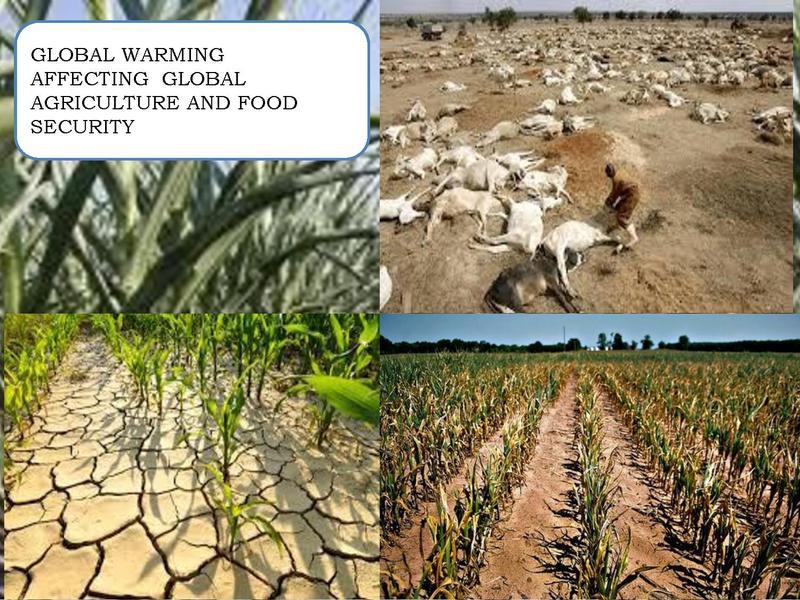
Although the effects of black carbon on crops and plant species has immense data to still be conducted for direct impact conclusions. It has been identified the effects of small dust particles may affect the level of leaf transpiration by blocking pores. Additionally, the black carbon may directly result in high temperature on the surface area of leaves as photosynthesis is conducted.
Air pollution has shown to significantly impact the agriculture, livestock, and human consumption. Countries should continue to create awareness to the issue as increased pollution would result in economic loss for the country itself.
Do you think we can make a significant change if it affects our health and the countries economy?
For more information regarding this issue please visit the following link:Data Source: UN http://www.unece.org/fileadmin/DAM/env/documents/2011/eb/wge/ece.eb.air.wg.1.2011.8.eng_only.pdf
 Applied Plant Ecology Winter 2020