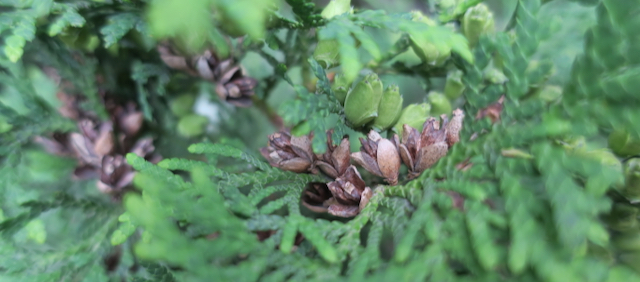
Trees can develop to maturation and senescence. Maturation of trees is irreversible while senescence is reversible whether through asexual reproduction or other growth factors. Insects can respond to these developmental changes of plants, which can affect their community structure. For example, in the article by Whitman and Waltz, it was said that cotton woods can change the develop of herbivore-resistance traits for 10-folds over a period of two years.
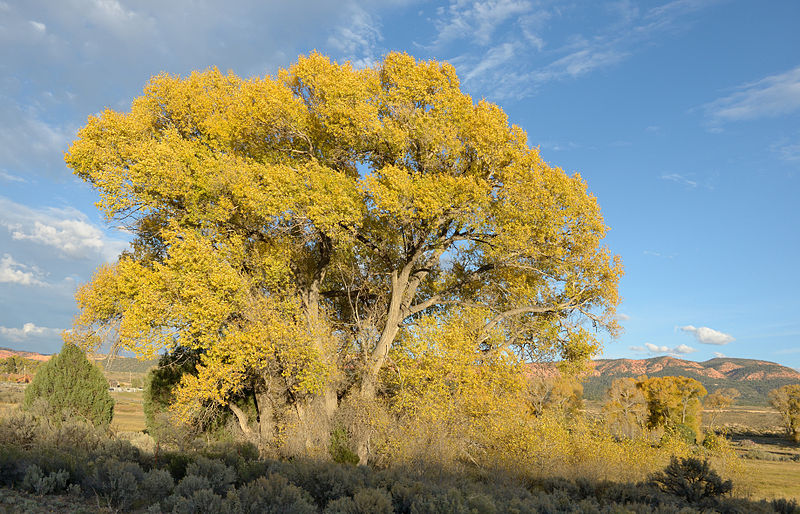
To better understand the impact of plant development on insects and the community structure, Whitman and Waltz conducted a 3 year study on hybrids of narrow leaf cotton woods and fremont cotton wood. It was found that arthropod species richness and relative abundance varied significantly in zones with mature, juvenile and juvenile ramets. When the plant development was not used as a factor of the community structure , the study showed that plant development was an effect on the interaction community especially at multiple trophic levels, some direct effect of plant development also determined the Aphid (P. betae) fitness distribution.
The removal of Aphids led to a 32% decline in species richness and the removal of beetles on juvenile ramets led to a 75% increase in species richness. Aphids and beetles have different biodiversity due to the different lifestyle which explains the opposite effects on species richness and abundance when the insects were removed from the plant zones. 39% of the plant had significant distributions affected by the presence of beetles or aphids.
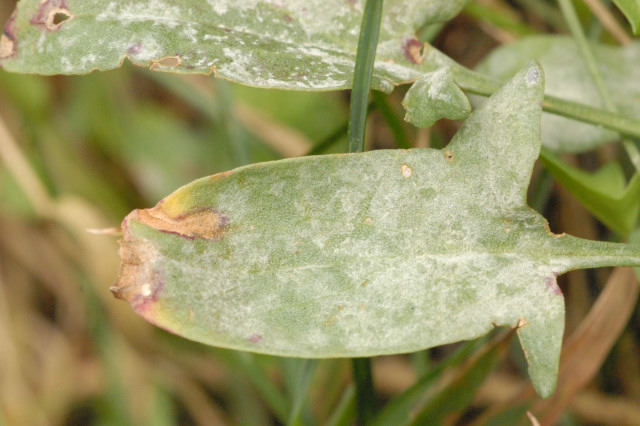
Overall the effects of plant development prove a mechanism for the presence of different arthropod community found on different developmental zones of a plant; whether it is mature, juvenile or juvenile ramets
To read more about the findings of this article visit https://www.semanticscholar.org/paper/PLANT-DEVELOPMENT-AFFECTS-ARTHROPOD-COMMUNITIES%3A-OF-Waltz-Whitham/419b7f601739eb7f49109098f3605f54e95f75ed or search up the article title Plant Development Affects Arthropod Communities: Opposing Impacts of Species Removal.
 Applied Plant Ecology Winter 2020