Podcasts were invented in 2004. I first discovered them in 2006, when I was a visiting professor at the University of Tromsø (now called UiT – The Arctic University of Norway). I had no internet connection in the visiting scholars’ residence, so I would download podcasts and audiobooks in my university office, to have some English-language programming for my solitary evenings.
Back in Canada, I found that podcasts were a great way to catch up with missed radio programmes. But, my daughters were never interested in listening to them, and I truly thought that this media format would die out from lack of interest amongst the younger generation. I was wrong!
At university, both my daughters listened to them. Today, podcasts are more popular than ever, especially among younger Millenials and GenZ. They are fairly straightforward to make with some basic, affordable equipment. To my surprise, since 2014, I’ve been interviewed for several podcast series:
- People Behind the Science : Episode 174 Investigating the Intriguing Interactions between Animals and Plants
- “Science is Political”, Episode 5 of York University’s Faculty of Graduate Studies Podcast: Grad Life
- In 2018, Professor Cameron Graham of the Schulich School of Business launched Podcast or Perish, about Academic Research and Why it Matters. We had a good laugh making Episode 5 about Ecology.
In these episodes, I’m often asked to advise students. Some of my favourite advice can be heard at the end of my People Behind the Science interview.
Get a career coach, let yourself fail, because you often learn more from failure than success, find as many mentors as possible, and learn from everyone
— Dawn Bazely 59m 39s to 1h 03m 30s
In the summer of 2019, Professor Sapna Sharma connected me with Dr. Eloïse Ashworth, a co-founder of the Lumières Science Podcast. Dr. Ashworth, who grew up in France, before doing her PhD in Australia in Marine Biology, is passionate about Science Communication.
Eloïse had turned to Professor Sharma, an experienced science communicator at York University, for advice about the Toronto #SciComm scene. She was launching the new podcast in August and was looking for scientists willing to speak at the event. Eloïse (Dr. Ashworth) asked her presenters, including me, to speak about our research and the challenges we have encountered, using only one slide.
I decided to give a five-minute talk in my ten-minute slot to allow for plenty of questions. I spent two weeks writing a two-page science communications script which I recorded as an mp3 file, and uploaded to my SoundCloud account. Here is the slide that was projected on the screen.
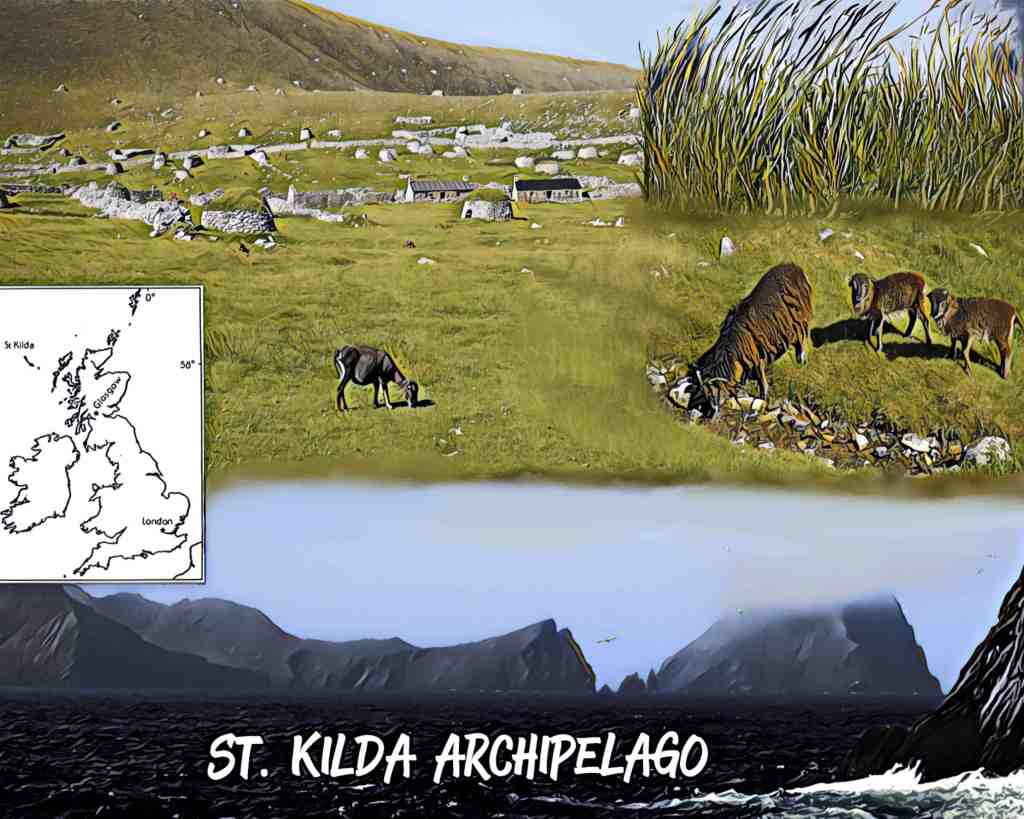
Uploading an audiofile is a great way for Biology 4095 students with low bandwidth wifi or a noisy family, to deliver their end of semester talks when joining through Zoom won’t work. We can listen to this audio as we click through your student group’s Google Slides. Compare my audiofile which was only 8MB with the high quality video from my talk below. The SoundCloud audiofile is a great alternative.
ps This post relates to Blog Topic #8: Listen to a podcast interviewing Dawn Bazely and pick one piece of advice that I have given to science students.
 Applied Plant Ecology Winter 2020